

Behavioral Profiling
Definition
Behavioral profiling is the analysis of user activity, interactions, and patterns to predict preferences, behavior, interests, or future actions.
Behavioral profiling enables organizations to analyze how individuals interact with platforms, services, applications, and digital systems over time. It combines signals such as browsing activity, clicks, purchase behavior, location patterns, device usage, and engagement history to create behavioral insights that support personalization, recommendations, fraud detection, advertising, and decision making.
As organizations increasingly rely on AI driven analytics and personalization engines, profiling activities become more extensive and interconnected across systems and data sources. This creates significant privacy and governance challenges around transparency, consent, fairness, and how behavioral insights are used downstream.
In the context of the Digital Personal Data Protection Act, 2023, organizations are expected to ensure that profiling activities remain purpose specific, transparent, and aligned with valid consent and lawful data processing practices.
In practice, gaps emerge when:
- Users are profiled without clear awareness or meaningful transparency.
- Behavioral data is reused across systems beyond the original purpose.
- Profiling models operate without visibility into consent or governance controls.
- Organizations cannot explain how profiling outcomes influence decisions.
To address this, organizations implement governance mechanisms that connect behavioral analytics with consent management, purpose limitation, access controls, and auditability. This ensures profiling activities remain transparent, controlled, and defensible across the data lifecycle. Within Privy, this is supported through capabilities such as consent lifecycle management, data mapping, audit trails, and governance visibility, enabling organizations to operationalize behavioral profiling with greater accountability and compliance readiness.
Questions About Staying in Control?
Here’s everything you need to know about this term and how it fits into your compliance program.
Because it analyzes user behavior patterns to infer preferences, interests, or future actions, often using large volumes of personal data.
Lack of transparency around how user behavior is analyzed, interpreted, and used across systems or business functions.
AI models often rely on behavioral patterns for predictions and recommendations, making consent and governance controls critical.
Because users should understand how their activity data is being collected, analyzed, and used for profiling or personalization purposes.
By connecting profiling activities with consent management, purpose limitation, monitoring, and auditable governance controls.
Still have a question?
Latest Blog

Sep 30, 2026
RBI NBFC Rules Just Banned Dark Patterns and Fake Consent
Sep 29, 2026
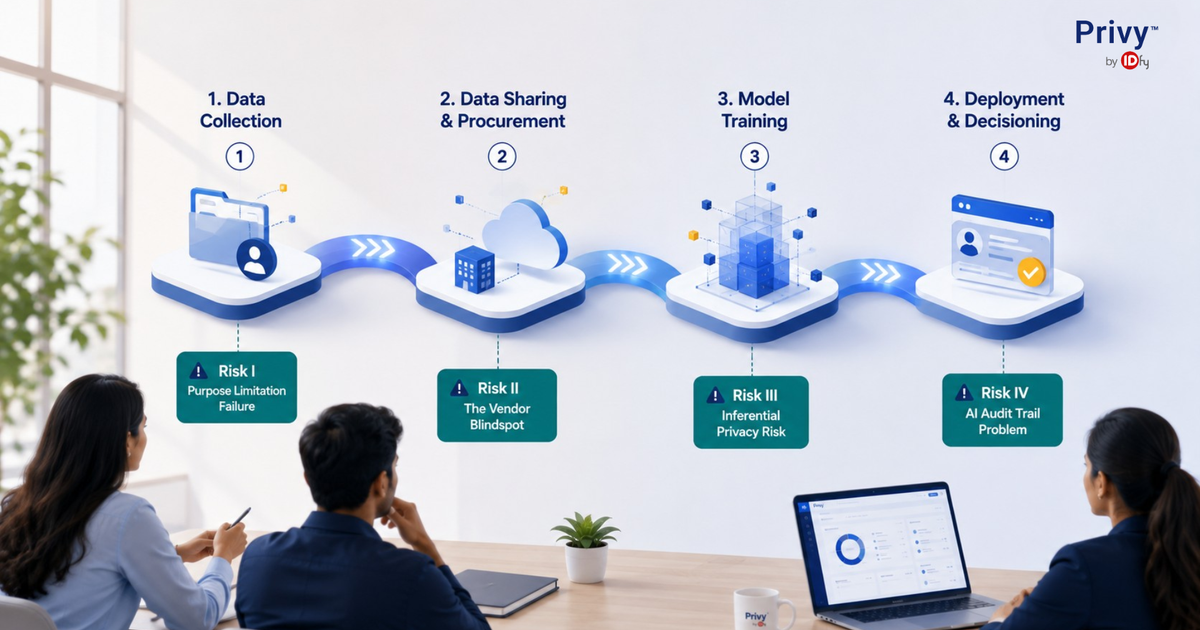
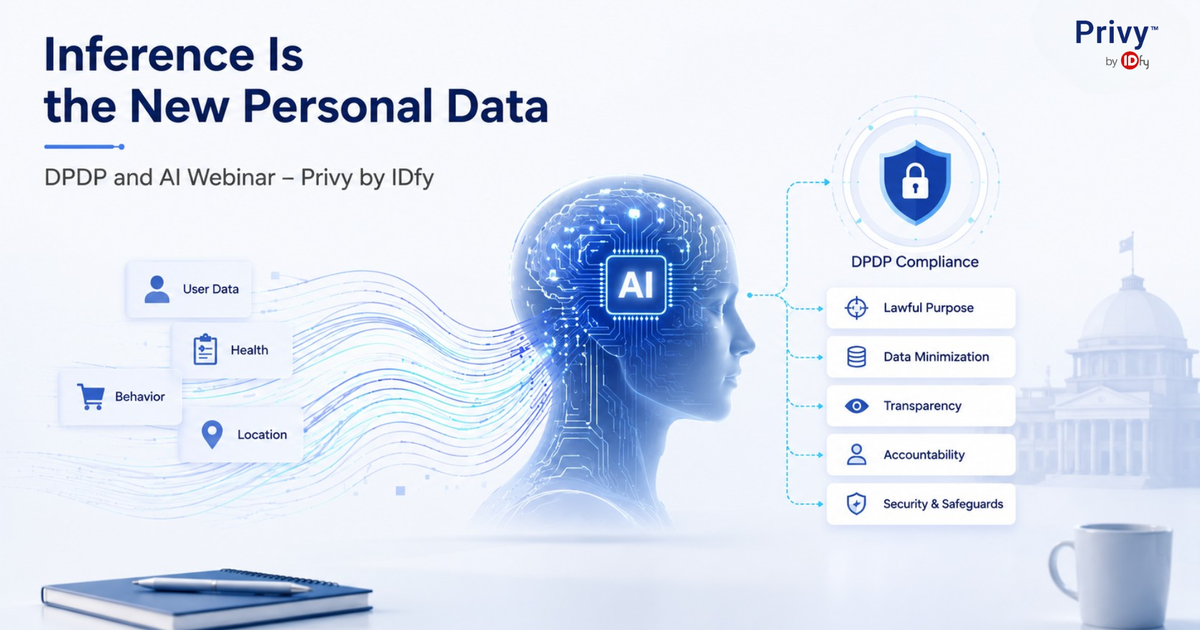
Data Privacy in the AI Era: The Four Risks Indian Corporations Have Already Inherited
Sep 10, 2026




 shivani@idfy.com
 Unit no. 801, Skyline Icon, 804, Andheri - Kurla Rd, Chimatpada, Marol, Andheri East, Mumbai, Maharashtra 400059
 1800 123 4339