

Breach Response Plan
Definition
A breach response plan is a structured framework that defines how organizations detect, contain, investigate, respond to, and recover from data breaches.
A breach response plan establishes the processes, responsibilities, and workflows required to manage security incidents involving personal or sensitive data. It ensures that organizations can respond quickly, coordinate across teams, limit operational disruption, and maintain regulatory defensibility during a breach event.
As organizations operate across multiple systems, cloud environments, vendors, and data flows, responding to incidents becomes increasingly complex. A breach response plan helps standardize how incidents are escalated, investigated, communicated, and resolved, ensuring that actions are consistent and traceable across the incident lifecycle.
In the context of the Digital Personal Data Protection Act, 2023, organizations are expected to respond promptly to personal data breaches, assess impact, maintain records, and demonstrate accountability around how incidents were handled.
In practice, gaps emerge when:
- Incident response responsibilities are unclear across teams.
- Detection, containment, and notification workflows operate in silos.
- Organizations lack predefined escalation or communication procedures.
- Response activities are handled manually without evidence tracking.
To address this, organizations implement structured breach response frameworks that connect incident detection, containment, investigation, remediation, and notification into a coordinated workflow. This ensures incidents are managed consistently, response timelines are controlled, and actions remain auditable. Within Privy, this is supported through capabilities such as audit trails, incident workflows, data mapping, and governance visibility, enabling organizations to operationalize breach response with greater control and accountability.
Questions About Staying in Control?
Here’s everything you need to know about this term and how it fits into your compliance program.
It enables organizations to respond quickly, reduce operational impact, coordinate teams effectively, and maintain regulatory defensibility during incidents.
Detection, containment, investigation, remediation, notification, recovery, and post-incident review.
Lack of coordination between technical, legal, compliance, and operational teams during active incidents.
Manual workflows slow response time, create inconsistencies, and make it difficult to maintain evidence or audit trails.
Through integrated workflows that connect monitoring, escalation, investigation, reporting, and governance processes.
Still have a question?
Latest Blog
Sep 30, 2026
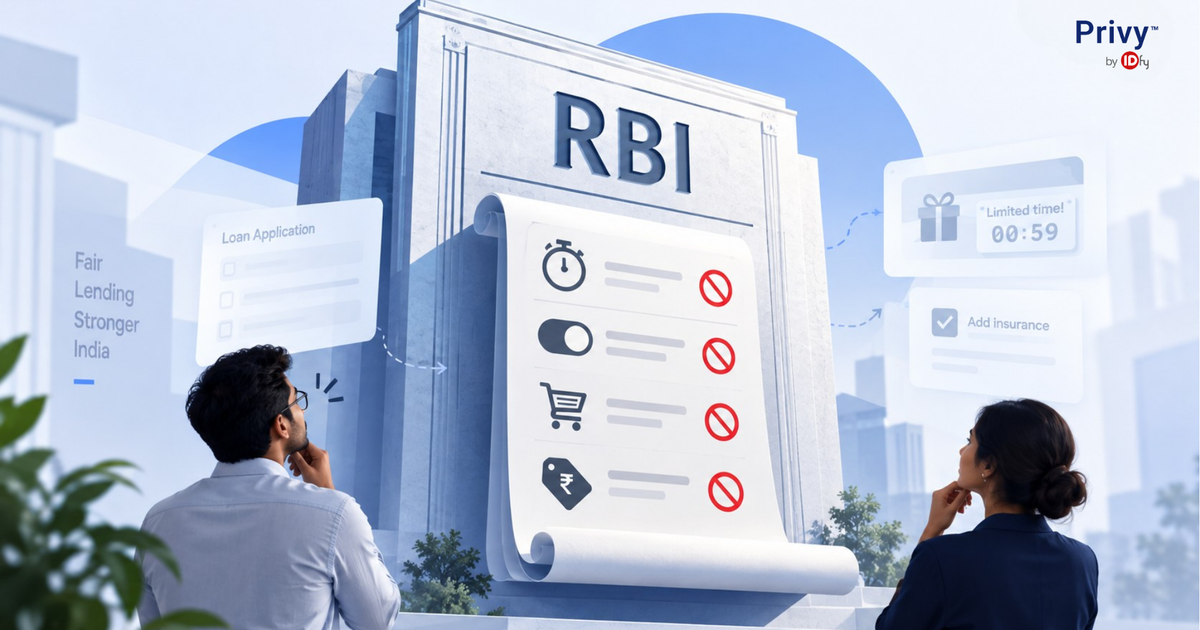
RBI NBFC Rules Just Banned Dark Patterns and Fake Consent
Sep 29, 2026
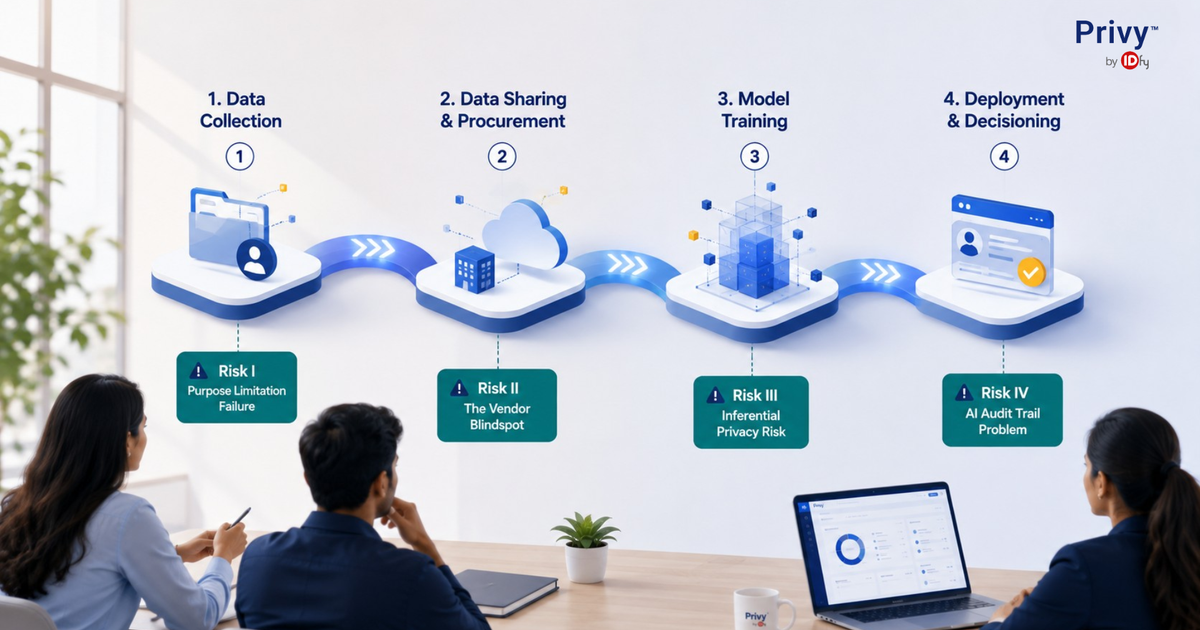
Data Privacy in the AI Era: The Four Risks Indian Corporations Have Already Inherited
Sep 10, 2026




 shivani@idfy.com
 Unit no. 801, Skyline Icon, 804, Andheri - Kurla Rd, Chimatpada, Marol, Andheri East, Mumbai, Maharashtra 400059
 1800 123 4339