

Guardian Consent
Definition
Guardian consent refers to consent provided by a parent or lawful guardian on behalf of a child for processing personal data under the DPDPA.
Under the Digital Personal Data Protection Act, 2023 (DPDP Act), guardian consent refers to the consent provided by a parent or lawful guardian when a Data Fiduciary processes the personal data of a child. The Act recognizes children as individuals requiring additional protection and places specific obligations on organizations handling children’s personal data.
The DPDP Act defines a child as an individual who has not completed eighteen years of age. Before processing a child's personal data, a Data Fiduciary must obtain verifiable consent from the parent or lawful guardian. This ensures that processing involving children’s personal data is carried out with appropriate authorization and safeguards.
The DPDP Act includes specific obligations for processing children’s personal data, including obtaining verifiable parental consent and restrictions on certain types of processing that may harm the well-being of children. Organizations handling children’s personal data need to establish appropriate mechanisms to verify consent, maintain records, and ensure compliance with applicable obligations.
In practice, gaps emerge when:
- Organizations process children’s personal data without verifying parental consent.
- Consent mechanisms cannot distinguish between adult and child users.
- Parent or guardian verification processes are unclear or inconsistent.
- Consent records do not capture proof of authorization.
- Child-specific privacy requirements are not integrated into product workflows.
Organizations address these challenges by implementing age verification processes, establishing verifiable consent workflows, maintaining consent records, and applying child-specific privacy controls. Within Privy, capabilities such as consent management, consent tracking, workflow automation, and compliance reporting help organizations manage consent processes and maintain records related to Data Principal interactions.
Questions About Staying in Control?
Here’s everything you need to know about this term and how it fits into your compliance program.
Guardian consent is the consent provided by a parent or lawful guardian on behalf of a child before a Data Fiduciary processes the child’s personal data.
Under the DPDP Act, a child is an individual who has not completed eighteen years of age.
Yes. A Data Fiduciary must obtain verifiable consent from the parent or lawful guardian before processing a child’s personal data, subject to applicable provisions of the DPDP Act.
Verifiable parental consent means a process through which a Data Fiduciary can confirm that consent has been provided by the parent or lawful guardian of the child.
Privy helps organizations manage consent workflows, maintain consent records, track consent preferences, and support privacy operations related to Data Principal consent management.
Still have a question?
Latest Blog

Sep 30, 2026
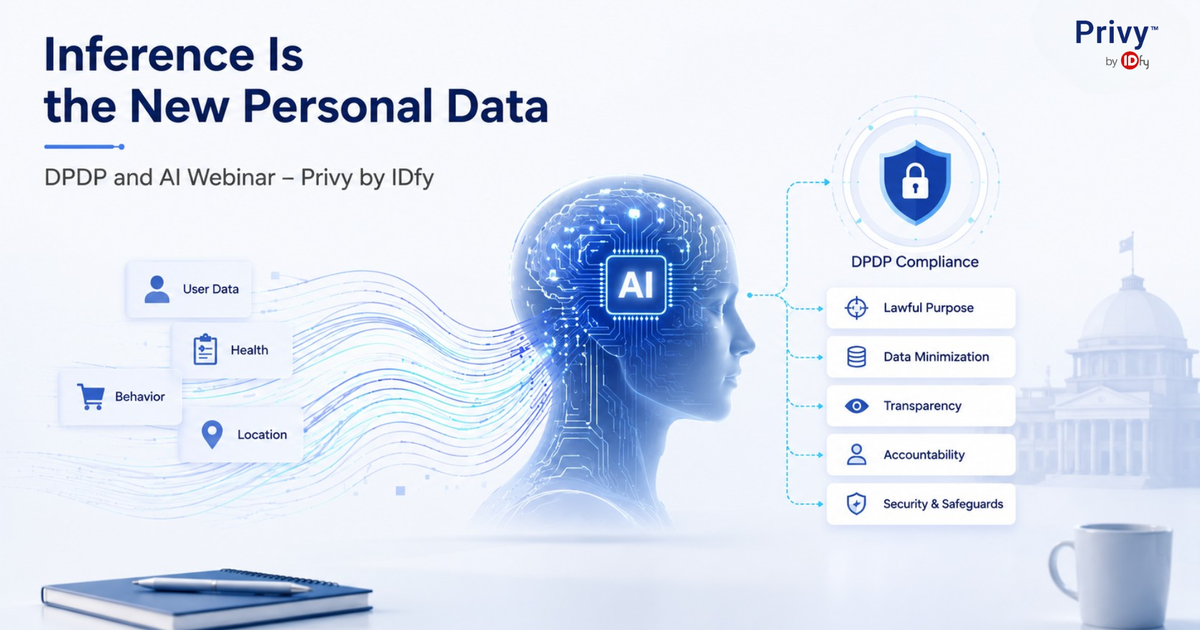
RBI NBFC Rules Just Banned Dark Patterns and Fake Consent
Sep 29, 2026
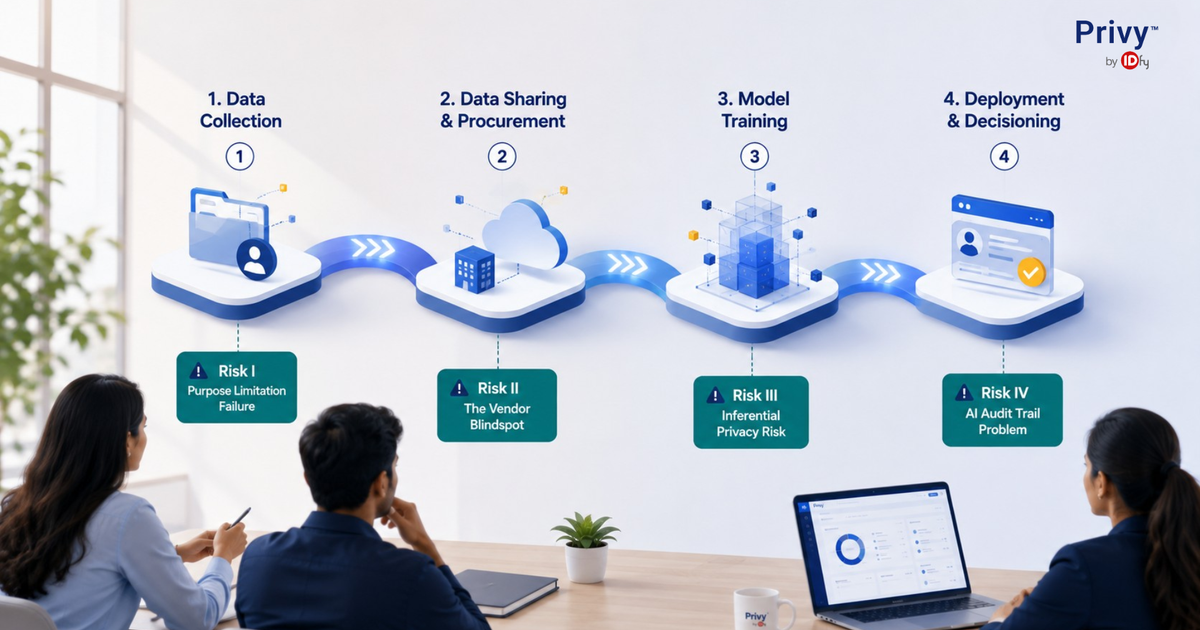
Data Privacy in the AI Era: The Four Risks Indian Corporations Have Already Inherited
Sep 10, 2026




 shivani@idfy.com
 Unit no. 801, Skyline Icon, 804, Andheri - Kurla Rd, Chimatpada, Marol, Andheri East, Mumbai, Maharashtra 400059
 1800 123 4339