

Privacy-Enhancing Technologies (PETs) for AI-Ready Data Governance
Privy determines and recommends the right privacy-enhancing technology – masking, tokenisation, pseudonymization, anonymisation or encryption – for every processing activity, protecting personal data without slowing applications, analytics or AI.
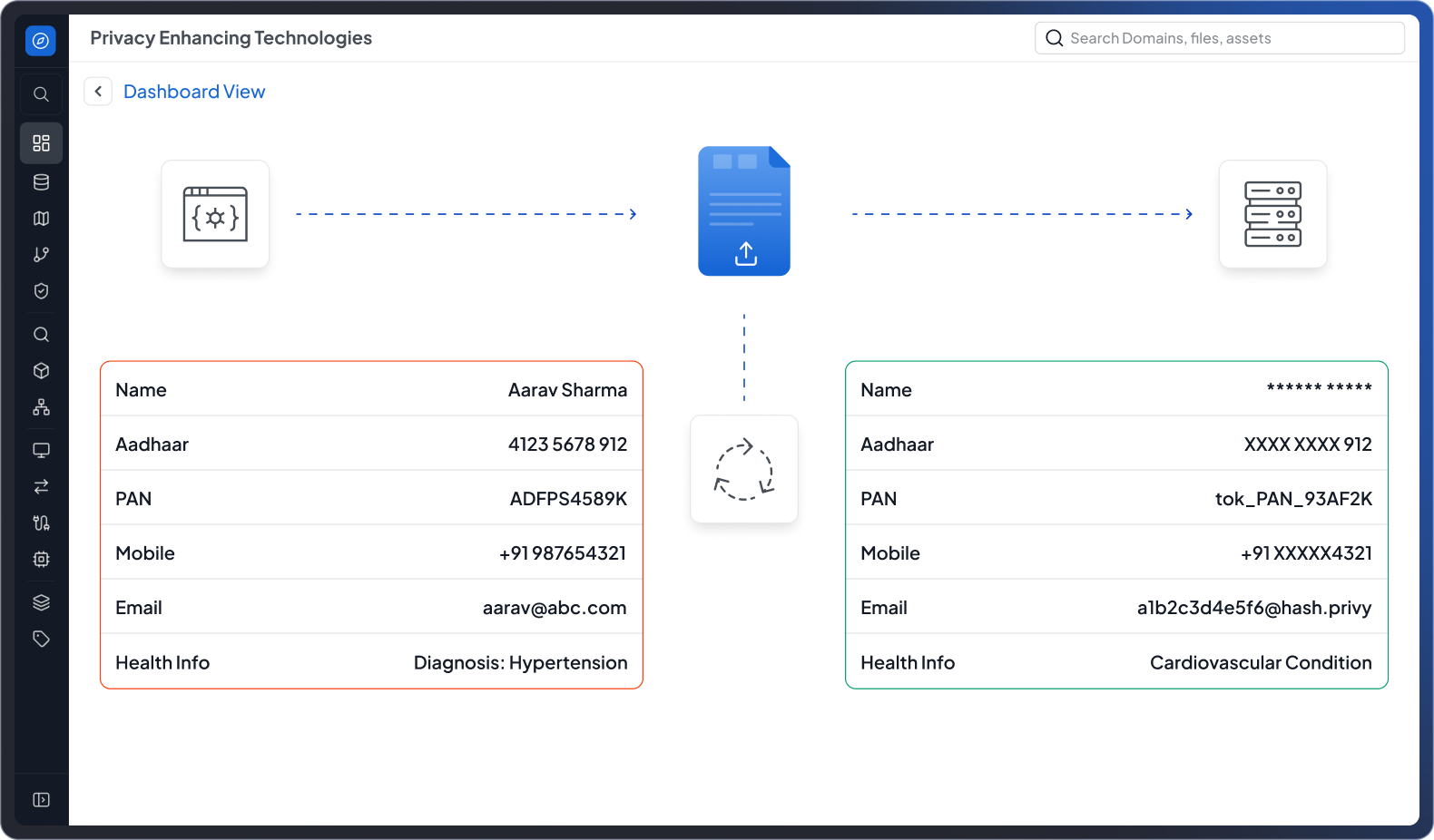
The Challenge
The Protection Gap: Where Data Privacy Loses Precision
The challenge isn’t simply protecting personal data. It is applying the right protection every time data is stored, shared, analysed or used.
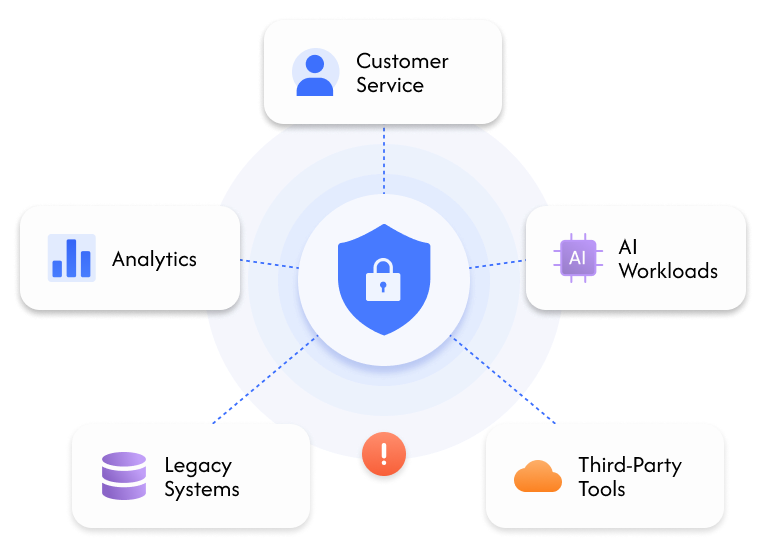
When One Privacy Control Is Applied Everywhere
Customer service, analytics, legacy systems and AI workloads use personal data differently. Applying the same control everywhere can leave data exposed or make it unusable.
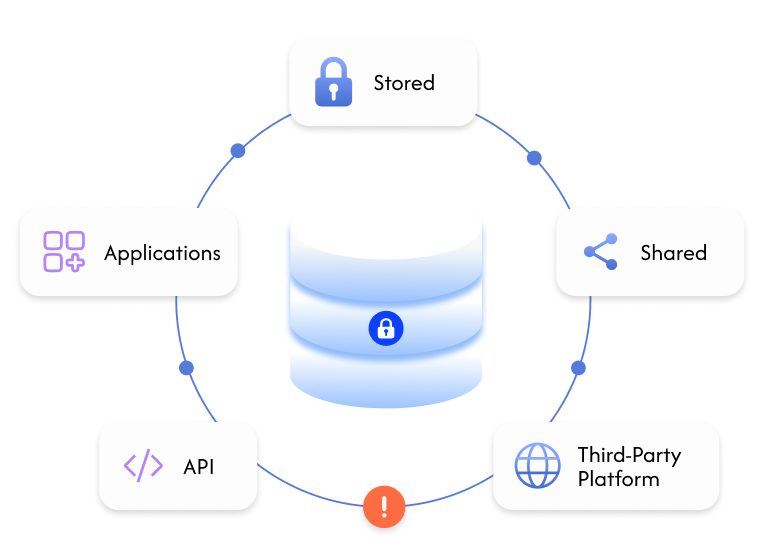
When Protection Stops at Storage
Personal data is continuously accessed, transformed and shared across applications, APIs, cloud platforms, third parties and AI systems. Encryption at rest alone cannot protect it throughout these interactions.
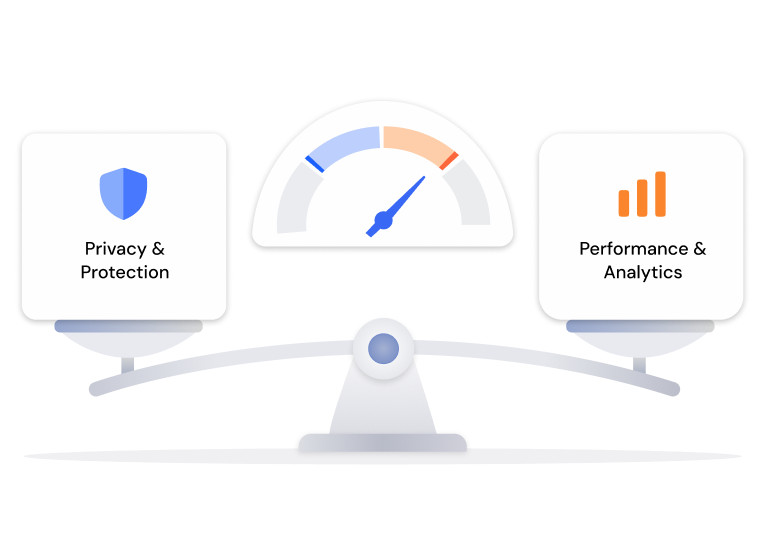
When Privacy Slows the Business
Every privacy-enhancing technology introduces trade-offs across latency, infrastructure complexity, reversibility and data utility. The wrong technique can affect application performance, analytics and AI adoption.
Privacy-Enhancing Technologies
Privacy-Enhancing Technologies: The Right Protection for Every Data Use
Apply context-aware privacy controls across data at rest, in motion, and in use – while preserving performance, analytical utility, and business agility.
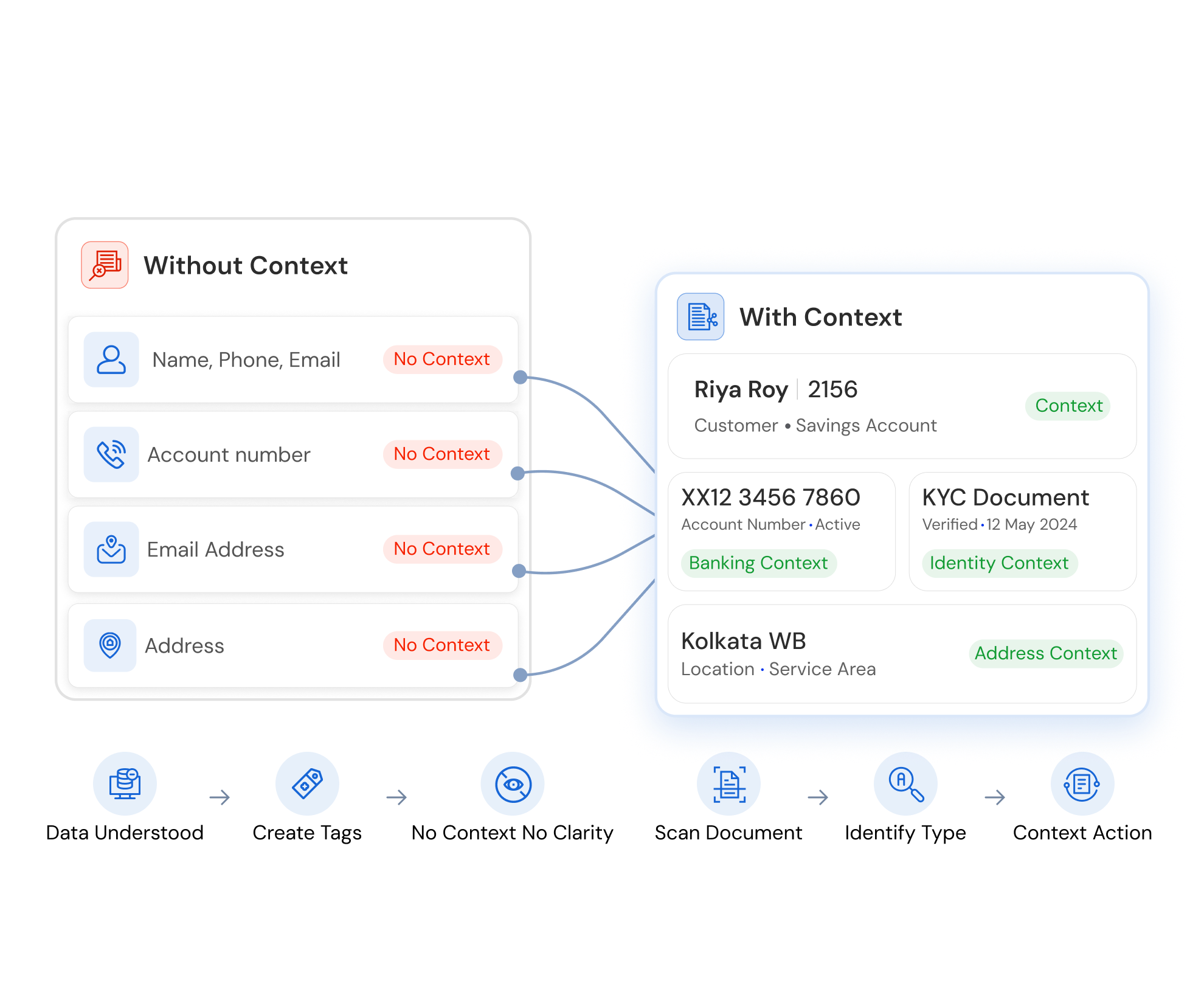
Context-Aware PET Selection
Recommend privacy protection based on how personal data is actually being processed.

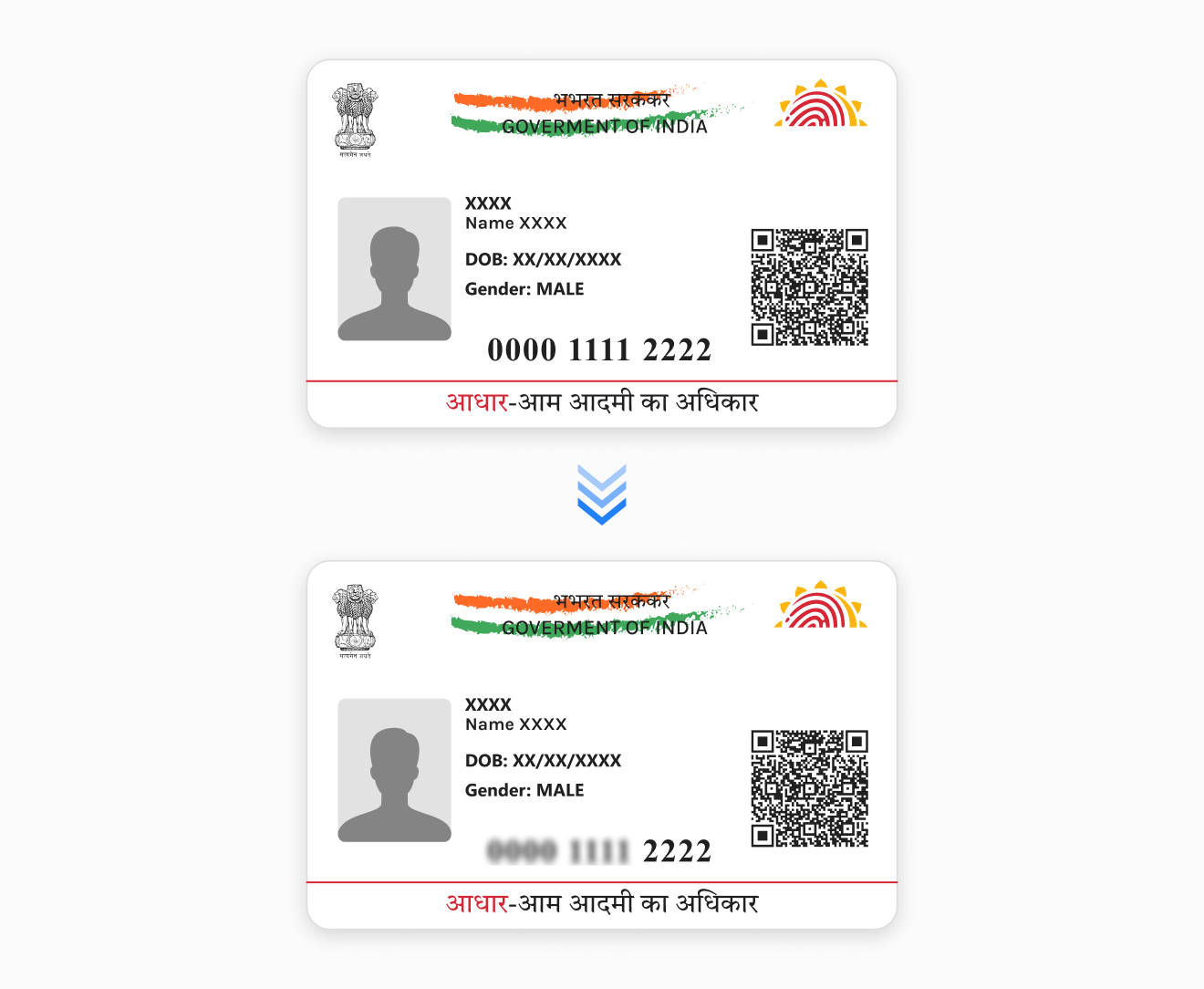
Protect Data at Rest
Secure stored personal data with controls aligned to its sensitivity and intended use.
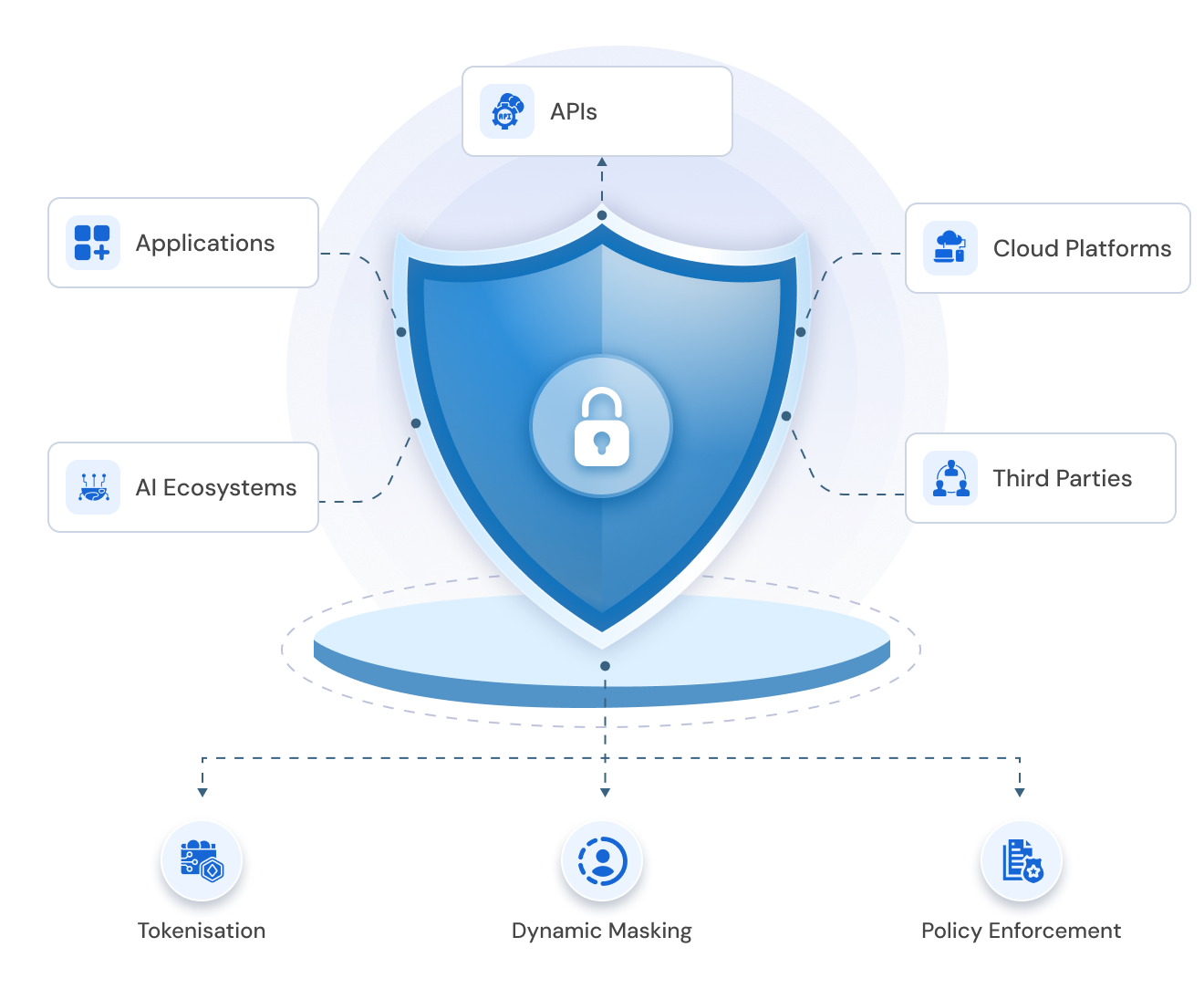
Secure Data in Motion
Protect personal data as it moves across applications, APIs, cloud platforms, third parties, and AI ecosystems.
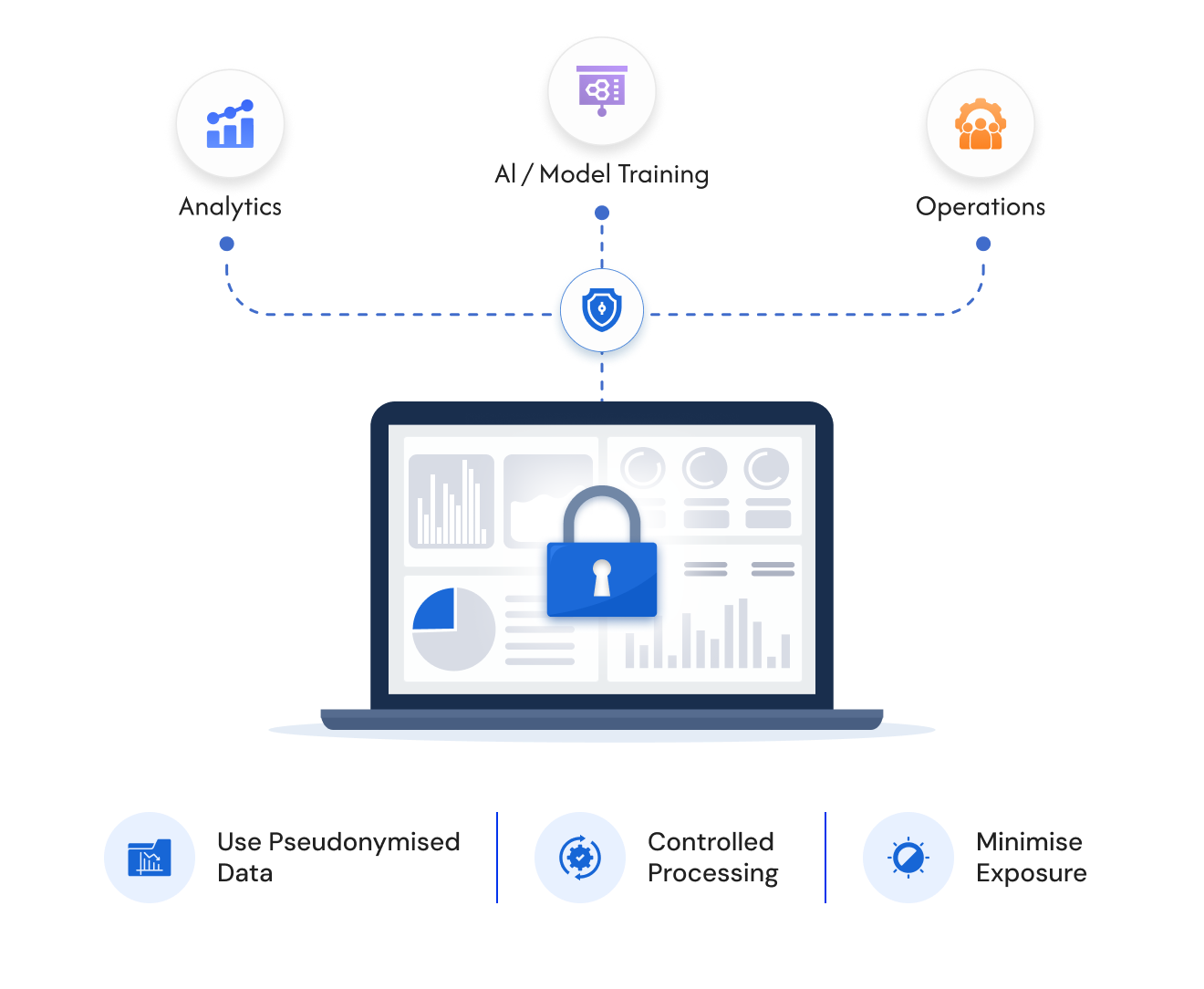
Preserve Privacy in Use
Protect personal data during analytics, AI inference, model training, customer servicing, and operational processing.
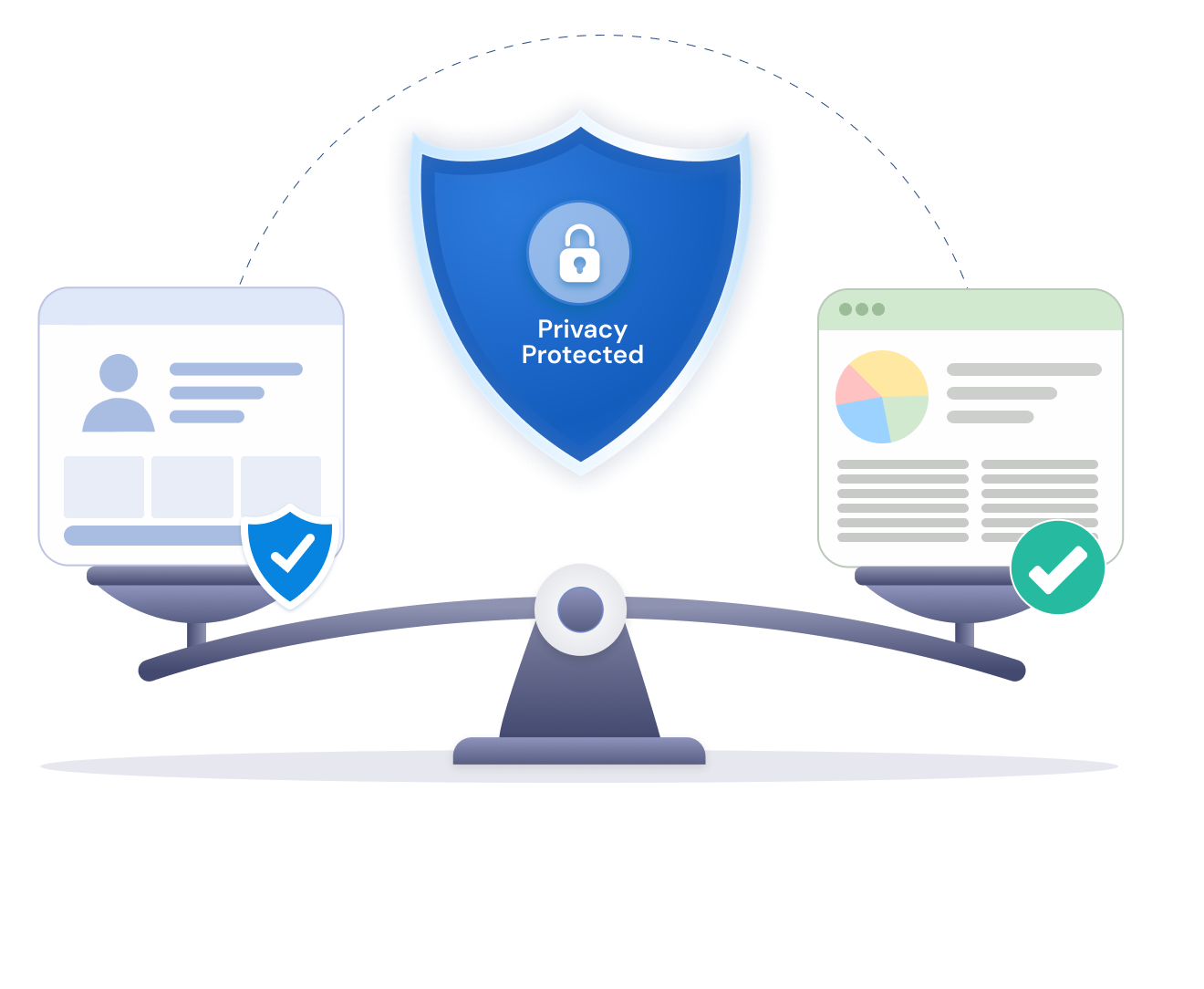
Utility-Preserving Privacy Controls
Choose protection that works with the application, not against it.
Connecting Privacy Protection Across
Every Data Workflow
Privy brings data intelligence, processing context, privacy policies, and PET enforcement together to protect personal data throughout its lifecycle.

Continuously discover and classify personal and sensitive data across enterprise systems.

Connect data with its purpose, users, applications, computations, obligations, and downstream flows.

Recommend the right privacy-enhancing technology for every workload based on its processing context and privacy objective.

Enforce and monitor privacy controls consistently across databases, APIs, applications, third parties, analytics, and AI systems.
Meet the AI Compliance Copilot: The Intelligence Behind Every Privacy Decision
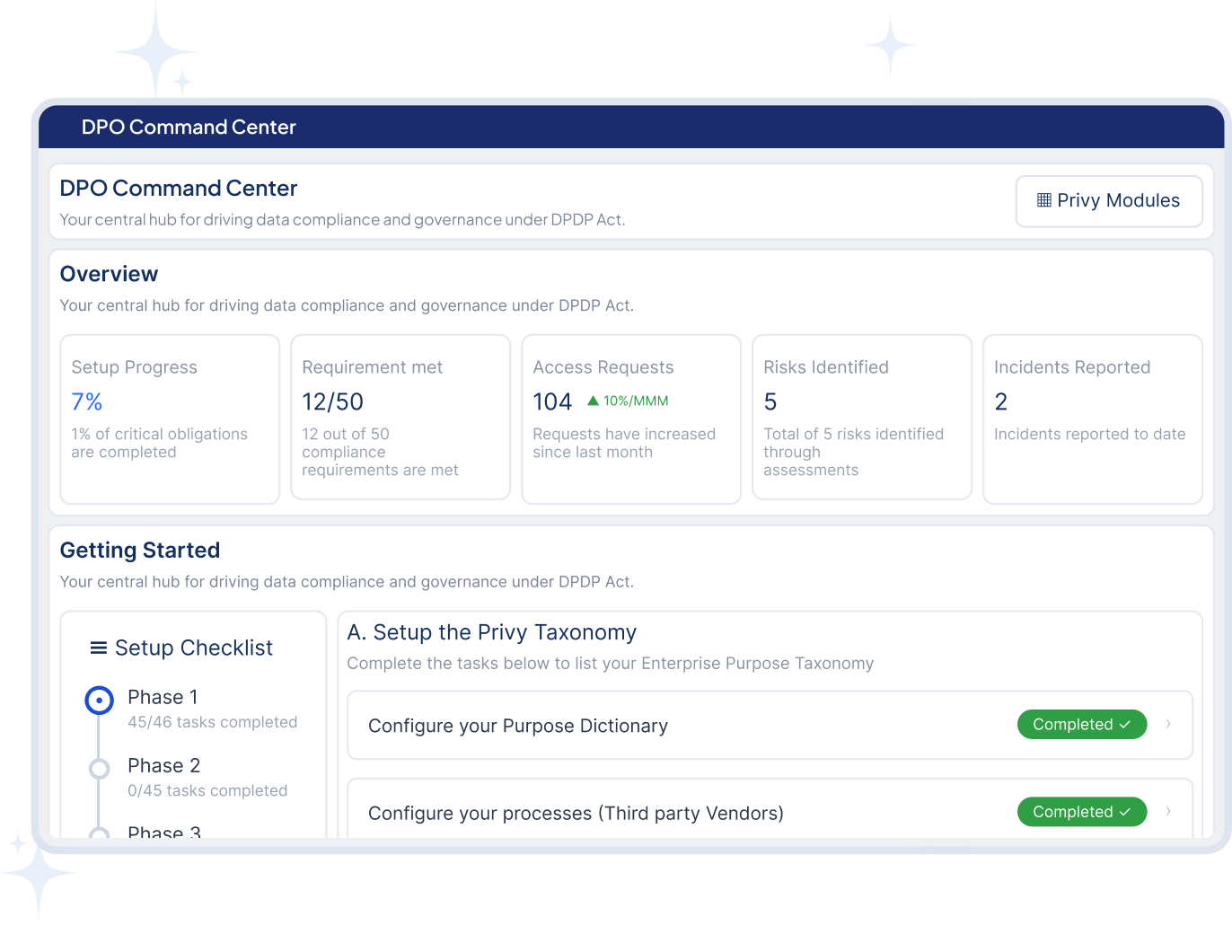
Privy’s AI Compliance Copilot uses an AI-driven Context Graph to understand what personal data is, how it is used, where it flows, and which obligations apply. It recommends and helps enforce the right privacy-enhancing technology for every processing activity.

Understand data sensitivity and regulatory context.
Map data flows across applications, vendors, APIs and AI systems.
Detect risks such as re-identification and excessive data exposure.
Recommend PETs that preserve privacy, performance and data utility.
Trusted by India’s Leaders in Privacy and Compliance
Enterprises across BFSI, fintech, and digital commerce trust Privy to keep their data, consent, and compliance under control.
Frequently Asked Questions
Privacy enhancing technologies, or PETs, are techniques that protect personal data while it is stored, processed, analysed or shared. They include encryption, tokenisation, masking, pseudonymization, anonymisation and synthetic data.
Privy supports context-aware controls such as encryption, format-preserving encryption, tokenisation, static and dynamic masking, pseudonymization, anonymisation, synthetic data, selective disclosure and controlled decryption.
Privy evaluates the sensitivity of the data, processing purpose, user access, downstream flows, computational requirements and applicable obligations. It then recommends the privacy-enhancing technology best suited to the workload.
For data at rest, PETs can encrypt, tokenise or mask stored identifiers. For data in motion, they can minimise what is shared across APIs, applications and third parties. For data in use, PETs protect information during analytics, AI inference, model training and operational processing.
PETs allow organisations to use data for AI and analytics while reducing unnecessary exposure. Techniques such as pseudonymization, anonymisation and synthetic data can preserve patterns and analytical utility without directly revealing individual identities.
Still have a question?
Powered by IDfy’s Trust Infrastructure
Built on 14 years of RegTech innovation and trusted by India’s
most secure enterprises.





 shivani@idfy.com
 Unit no. 801, Skyline Icon, 804, Andheri - Kurla Rd, Chimatpada, Marol, Andheri East, Mumbai, Maharashtra 400059
 1800 123 4339