

Data Lifecycle Management
Definition
Data lifecycle management is the process of managing data from its creation and use through storage, retention, archival, and secure deletion in accordance with business and regulatory requirements.
Data lifecycle management (DLM) is the practice of managing data throughout every stage of its existence from the point it is created or collected to its use, storage, sharing, retention, archival, and eventual deletion. It establishes policies, processes, and technologies that ensure data remains accurate, accessible, secure, and appropriately governed throughout its lifecycle. Effective lifecycle management applies to both structured and unstructured data across on-premises and cloud environments.
As organizations generate increasing volumes of data across applications, databases, collaboration platforms, and AI systems, managing data beyond its initial collection becomes essential. Without a defined lifecycle, organizations may retain obsolete information, duplicate data across systems, or expose sensitive information unnecessarily. Data lifecycle management helps improve operational efficiency by ensuring that data is retained only for as long as necessary, remains available when required, and is disposed of securely when no longer needed.
The Digital Personal Data Protection Act, 2023 places importance on limiting the retention of personal data once the purpose for processing has been fulfilled, unless retention is required by law. Although the Act does not prescribe a specific lifecycle framework, effective data lifecycle management helps Data Fiduciaries implement retention policies, manage deletion workflows, maintain accountability, and reduce the risks associated with unnecessary storage of personal data.
In practice, gaps emerge when:
- Personal data continues to be stored after the original purpose has been fulfilled.
- Different business systems apply inconsistent retention periods.
- Archived data is forgotten and remains outside governance processes.
- Data deletion depends on manual intervention across multiple applications.
- Organizations cannot demonstrate when personal data was deleted or retained.
Managing these challenges requires lifecycle policies that cover data creation, storage, usage, retention, archival, and secure disposal. Automation, governance workflows, and continuous visibility help ensure these policies are applied consistently across systems. Within Privy, capabilities such as data discovery, data mapping, retention workflows, and governance reporting help organizations manage personal data throughout its lifecycle while supporting privacy and regulatory obligations.
Questions About Staying in Control?
Here’s everything you need to know about this term and how it fits into your compliance program.
Data lifecycle management is the process of managing data from creation through storage, use, retention, archival, and secure deletion.
It improves governance, reduces unnecessary storage, strengthens security, and ensures data is managed consistently throughout its lifecycle.
The DPDP Act does not mandate a specific lifecycle framework, but it requires personal data to be retained only as long as necessary for the specified purpose or as required by law.
Typical stages include data creation, collection, storage, use, sharing, retention, archival, and deletion
Privy helps organizations discover personal data, map processing activities, manage retention workflows, and improve governance throughout the data lifecycle.
Still have a question?
Latest Blog
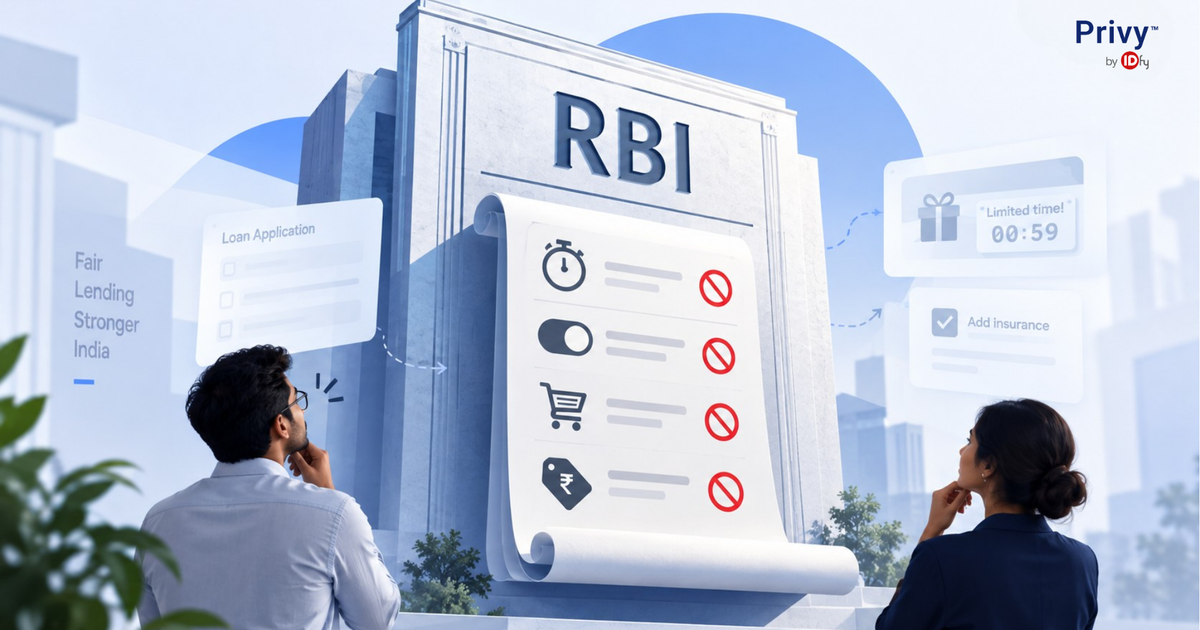
Sep 30, 2026
RBI NBFC Rules Just Banned Dark Patterns and Fake Consent
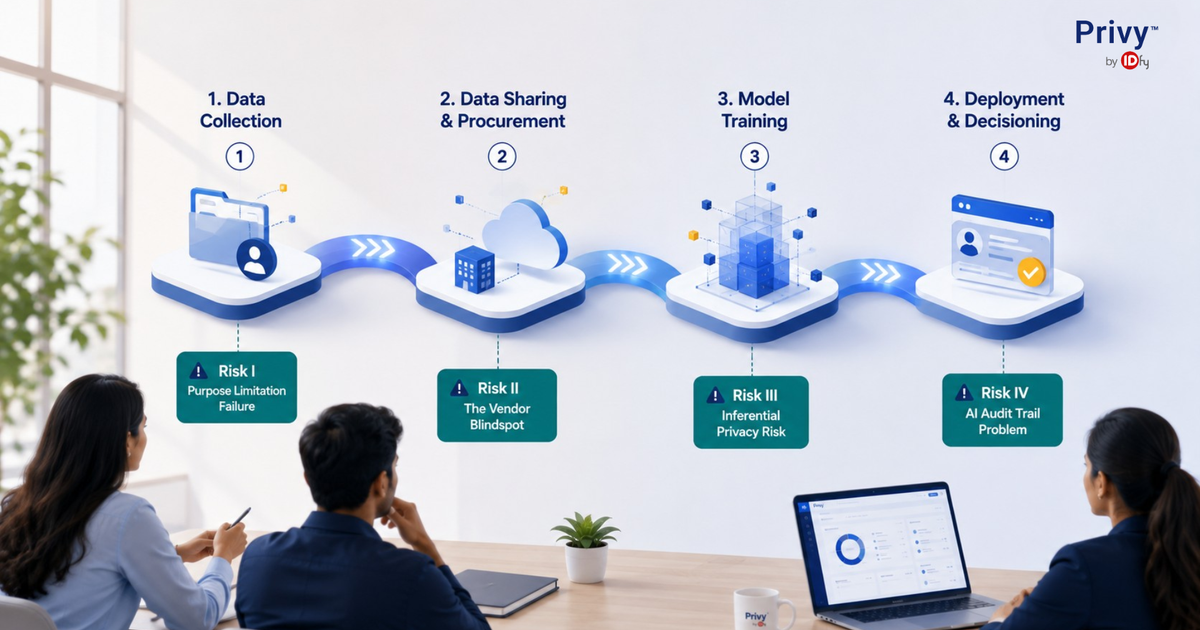
Sep 29, 2026
Data Privacy in the AI Era: The Four Risks Indian Corporations Have Already Inherited
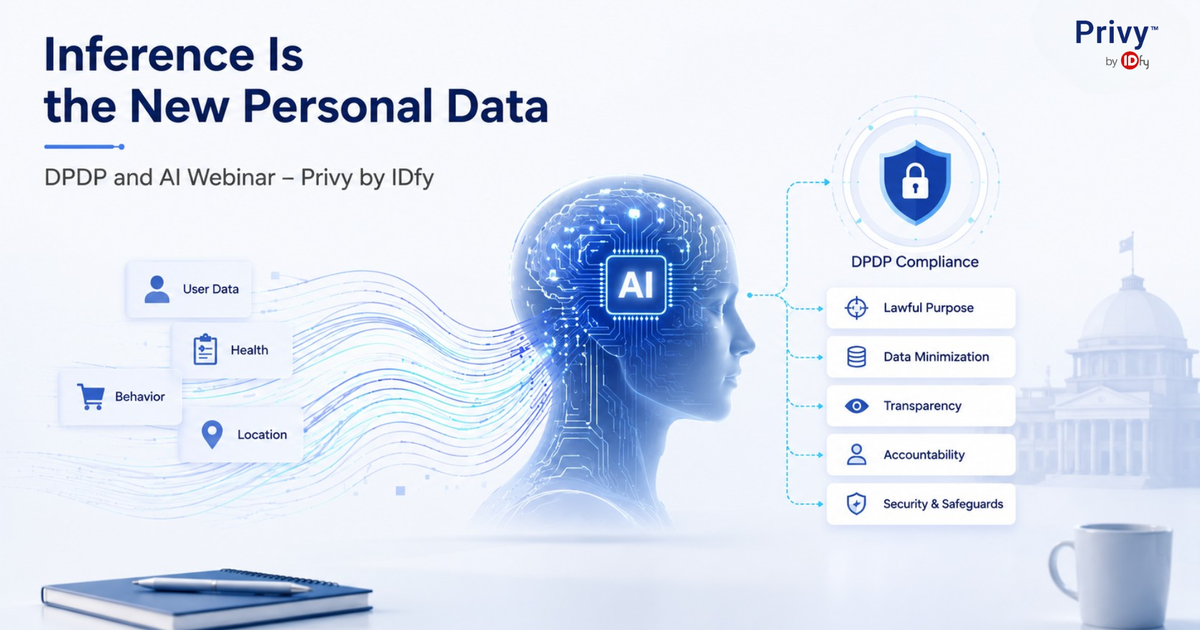
Sep 10, 2026




 shivani@idfy.com
 Unit no. 801, Skyline Icon, 804, Andheri - Kurla Rd, Chimatpada, Marol, Andheri East, Mumbai, Maharashtra 400059
 1800 123 4339