

Adequate Data Safeguards
Definition
Measures that protect personal data from unauthorized access, misuse, and breaches.
Adequate data safeguards refer to the set of technical and organizational measures put in place to ensure that personal data is protected across its lifecycle. This includes controls around access, storage, transmission, and usage, ensuring that data is not exposed, altered, or misused beyond defined purposes.
The adequacy of safeguards is not defined by a fixed checklist but by how well they align with the sensitivity of data and the risks involved. In the context of the Digital Personal Data Protection Act, 2023, organizations are required to implement reasonable security safeguards to prevent personal data breaches. This means controls must be proportionate, consistently applied, and capable of preventing unauthorized access or misuse.
In practice, gaps emerge when:
- Safeguards exist as policies but are not enforced in systems.
- Controls are implemented in isolation without visibility across data flows.
- Protection focuses on storage but not on data usage or access.
- Organizations assume baseline security measures are sufficient for all data types.
To address this, organizations adopt a risk-based approach, aligning safeguards with data sensitivity and continuously monitoring how data is accessed and used. This includes integrating access controls, encryption, monitoring, and traceability into everyday workflows. Within Privy, this is supported through capabilities such as data mapping, consent lifecycle management, and audit trails, enabling organizations to implement safeguards that are both effective and verifiable.
Questions About Staying in Control?
Here’s everything you need to know about this term and how it fits into your compliance program.
Its ability to effectively reduce risk based on the sensitivity of data and how it is used, rather than just its presence.
Because controls are often implemented without considering actual data flows, usage, and evolving risk.
No, safeguards must extend beyond storage to include how data is accessed, processed, and monitored.
By assessing whether measures are proportionate to risk and whether they are consistently enforced in practice.
That implementing standard security tools automatically ensures compliance, regardless of context or usage.
Still have a question?
Latest Blog
Sep 30, 2026
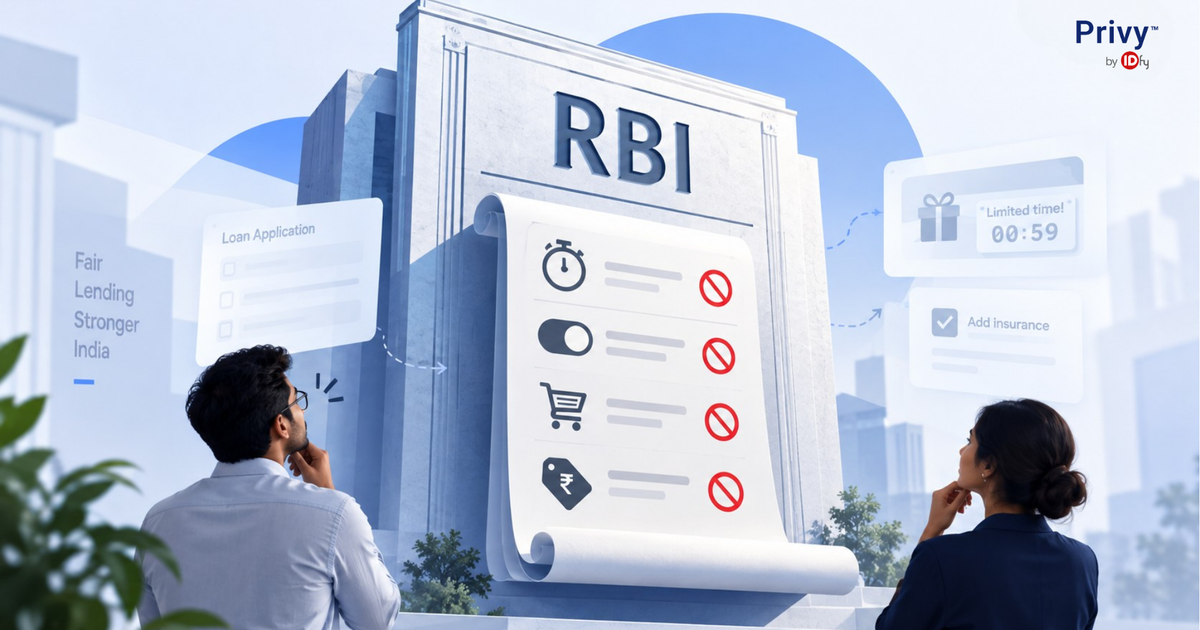
RBI NBFC Rules Just Banned Dark Patterns and Fake Consent
Sep 29, 2026
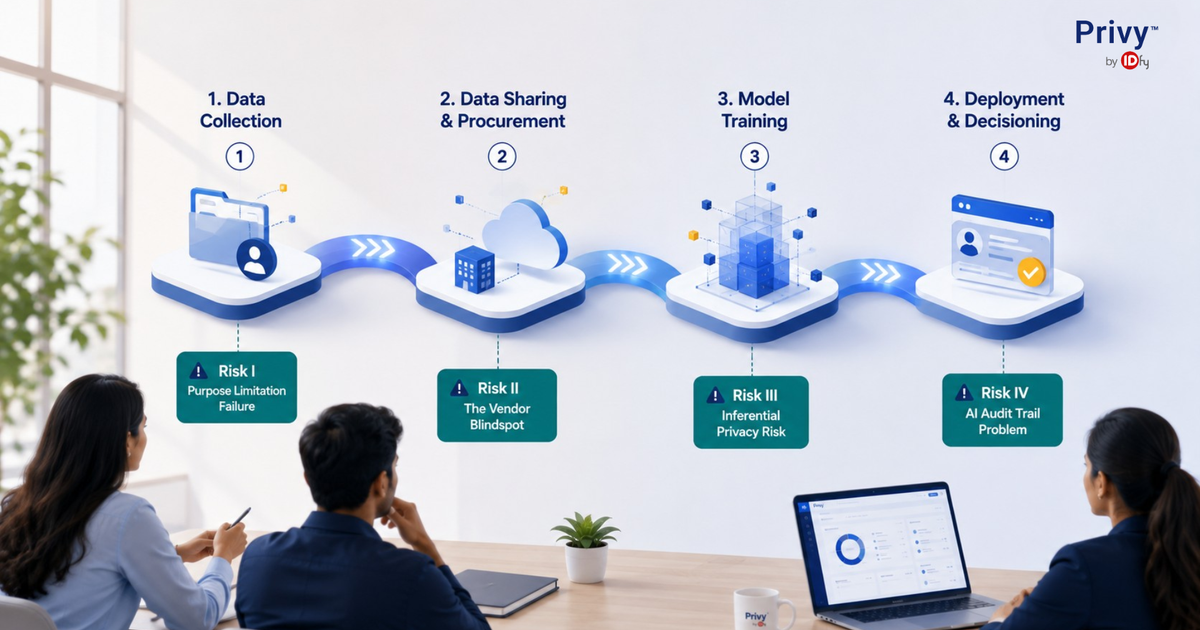
Data Privacy in the AI Era: The Four Risks Indian Corporations Have Already Inherited
Sep 10, 2026




 shivani@idfy.com
 Unit no. 801, Skyline Icon, 804, Andheri - Kurla Rd, Chimatpada, Marol, Andheri East, Mumbai, Maharashtra 400059
 1800 123 4339