

AI Governance Framework
Definition
Structured approach to govern how AI systems are built, used, and controlled.
An AI governance framework defines the policies, controls, and processes used to manage AI systems across their lifecycle. It ensures that AI models are developed, deployed, and used in a way that aligns with organizational objectives, risk tolerance, and regulatory expectations. This includes oversight of data usage, model behavior, decision outcomes, and accountability.
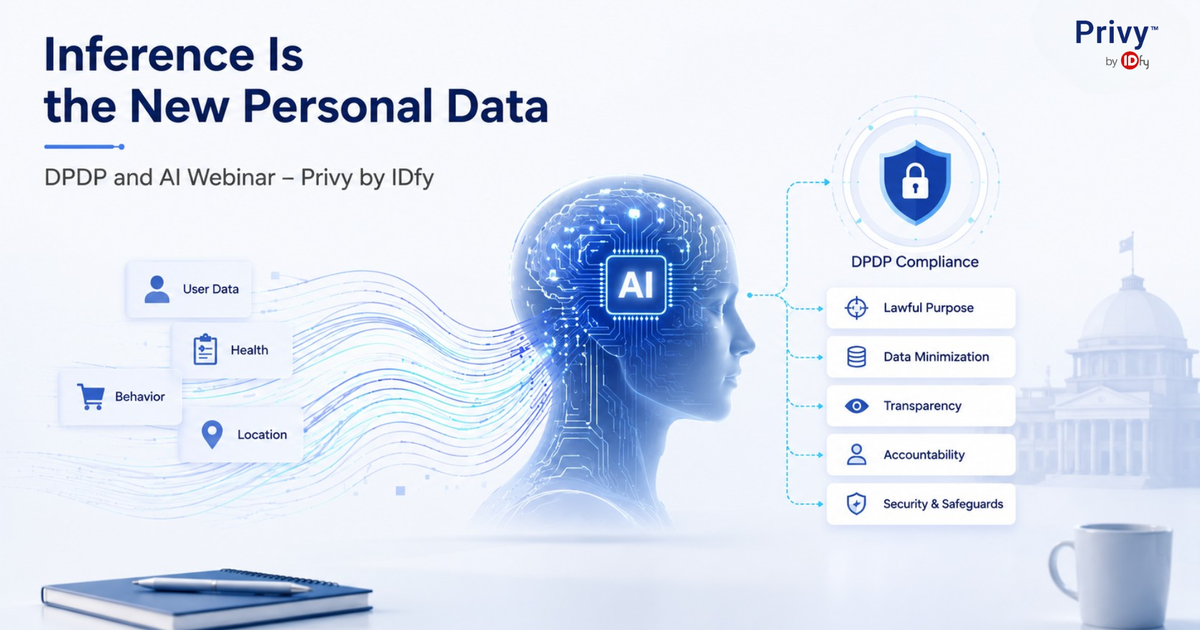
As AI becomes embedded in decision-making, governance shifts from just managing models to controlling how decisions are made and justified. It requires visibility into how data is used, how models behave, and how outcomes impact individuals. In the context of the Digital Personal Data Protection Act, 2023, this is especially relevant when AI systems process personal data or influence user outcomes, requiring organizations to ensure lawful, purpose-driven, and accountable processing.
In practice, gaps emerge when:
- Governance exists as policy but is not enforced in model workflows.
- There is limited visibility into how data is used within AI systems.
- Model decisions cannot be explained or traced.
- Risk and compliance checks are not integrated into the AI lifecycle.
To address this, organizations operationalize governance by embedding controls into how AI systems are built and used. This includes linking data inputs to outcomes, enforcing policies at runtime, and ensuring traceability of decisions. Within Privy, this is supported through capabilities such as data mapping, consent lifecycle management, and audit trails, enabling organizations to govern AI systems with visibility, control, and accountability.
Questions About Staying in Control?
Here’s everything you need to know about this term and how it fits into your compliance program.
To ensure AI systems operate in a controlled, transparent, and accountable manner aligned with business and regulatory requirements.
Data governance focuses on managing data, while AI governance extends to how models use that data and make decisions.
When they remain policy-driven and are not enforced within actual model development and deployment workflows.
The ability to link data, models, and decisions with clear visibility and enforceable controls.
It ensures that AI systems using personal data operate within defined purposes and can justify decisions if challenged.
Still have a question?
Latest Blog

Sep 30, 2026
RBI NBFC Rules Just Banned Dark Patterns and Fake Consent

Sep 29, 2026
Data Privacy in the AI Era: The Four Risks Indian Corporations Have Already Inherited
Sep 10, 2026




 shivani@idfy.com
 Unit no. 801, Skyline Icon, 804, Andheri - Kurla Rd, Chimatpada, Marol, Andheri East, Mumbai, Maharashtra 400059
 1800 123 4339