

Forensic Data Analysis
Definition
Forensic data analysis is the process of examining digital data, system records, and evidence sources to investigate security incidents, identify risks, and understand events involving personal data.
In the context of the Digital Personal Data Protection Act, 2023 (DPDP Act), forensic data analysis refers to the examination of digital evidence to investigate incidents involving personal data, including suspected unauthorized access, data misuse, security failures, or Personal Data Breaches. It involves analyzing system records, access logs, application activity, device information, and other relevant evidence to determine what happened, when it occurred, and which personal data may have been affected.
Organizations handling personal data may need to investigate incidents across databases, cloud environments, applications, endpoints, and third-party systems. Forensic data analysis helps organizations reconstruct events, identify the scope of exposure, understand the source of an incident, preserve relevant evidence, and improve preventive measures. It also supports informed decision-making during breach response by helping teams determine affected systems, impacted data, and required remediation actions.
The DPDP Act requires Data Fiduciaries to implement reasonable security safeguards to prevent Personal Data Breaches and take appropriate actions when breaches occur. While the Act does not specifically require forensic data analysis, maintaining the ability to investigate and understand security incidents supports effective breach management, accountability, and compliance processes.
In practice, gaps emerge when:
- Organizations cannot determine which personal data was accessed during an incident.
- System logs and evidence required for investigation are incomplete or unavailable.
- Multiple teams investigate incidents without a coordinated approach.
- Third-party incidents lack sufficient visibility into affected personal data.
- Organizations close security incidents without identifying root causes.
Organizations strengthen forensic readiness by maintaining appropriate logging, preserving evidence, documenting incident response procedures, monitoring data access activities, and conducting post-incident analysis. Within Privy, capabilities such as data discovery, data mapping, breach management workflows, governance automation, and audit-ready reporting help organizations understand affected personal data and support structured incident response.
Questions About Staying in Control?
Here’s everything you need to know about this term and how it fits into your compliance program.
Forensic data analysis is the examination of digital information and evidence to investigate security incidents, identify causes, and understand the impact of events involving personal data.
It helps Data Fiduciaries investigate Personal Data Breaches, identify affected personal data, understand incident causes, and improve future security measures.
No. The DPDP Act does not specifically mandate forensic data analysis. However, forensic capabilities can support breach management and accountability obligations.
Forensic analysis may involve access logs, system records, application activity, endpoint information, database records, cloud activity logs, and other digital evidence.
Privy helps organizations identify personal data locations, map data flows, manage breach workflows, and generate compliance evidence to support incident investigation and response.
Still have a question?
Latest Blog

Sep 30, 2026
RBI NBFC Rules Just Banned Dark Patterns and Fake Consent
Sep 29, 2026
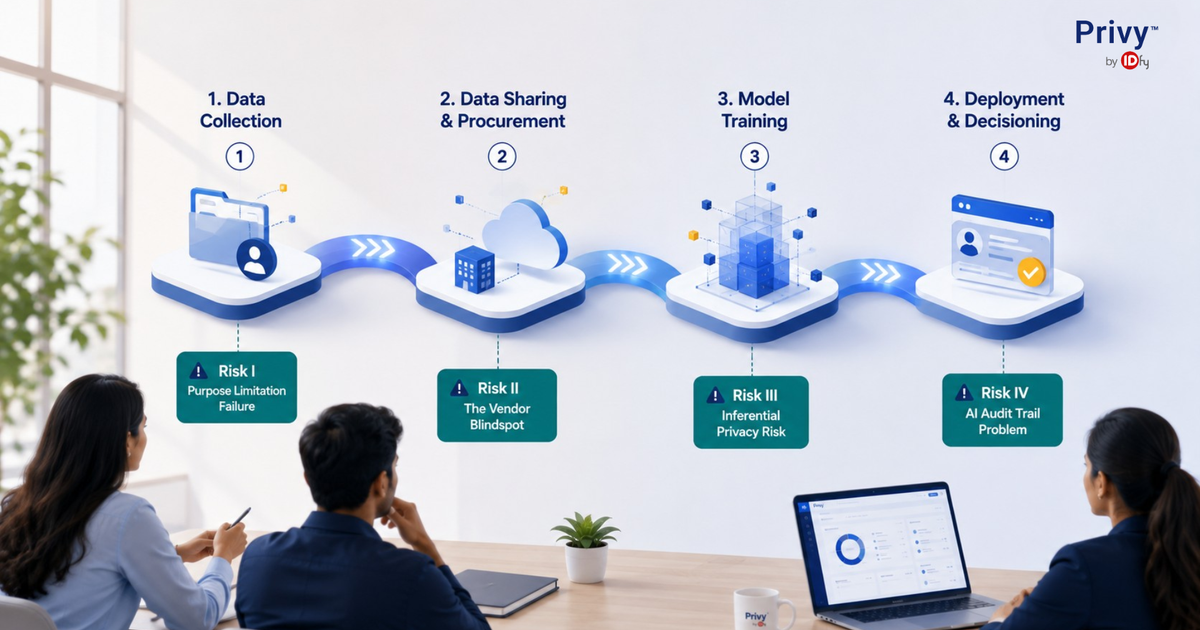
Data Privacy in the AI Era: The Four Risks Indian Corporations Have Already Inherited
Sep 10, 2026




 shivani@idfy.com
 Unit no. 801, Skyline Icon, 804, Andheri - Kurla Rd, Chimatpada, Marol, Andheri East, Mumbai, Maharashtra 400059
 1800 123 4339