

Access Control
Definition
Mechanism that restricts access to data and systems based on identity and permissions.
Access control refers to the mechanisms used to determine who can access specific data, systems, or resources, and under what conditions. It operates by verifying identity and enforcing permissions, ensuring that only authorized users can perform defined actions. Common models include role-based, attribute-based, and policy-driven access, each designed to align access with responsibility and context.
As organizations manage sensitive and personal data across systems, access control becomes a foundational layer of security. It defines boundaries of access, but its effectiveness depends on how accurately permissions reflect actual roles and usage. In the context of the Digital Personal Data Protection Act, 2023, access control supports the principle that personal data should only be accessed by authorized entities for defined purposes.
In practice, gaps emerge when:
- Permissions are broadly assigned and not aligned with actual roles.
- Access is not updated when users change roles or leave.
- Controls exist but are inconsistently enforced across systems.
- There is limited visibility into how access is actually used.
To address this, organizations implement structured access models that align permissions with roles, enforce identity-based access, and regularly review access rights. This ensures that access remains controlled, relevant, and aligned with governance requirements. Within Privy, this is supported through capabilities such as data mapping, consent linkage, and audit trails, enabling organizations to maintain control over who can access personal data and why.
Questions About Staying in Control?
Here’s everything you need to know about this term and how it fits into your compliance program.
Authentication verifies identity, while access control determines what that identity is allowed to access.
Because permissions are often not updated with role changes or are applied inconsistently across systems.
Over-provisioned access, where users have more permissions than required, increases the risk of misuse or exposure.
By continuously reviewing permissions, aligning access with roles, and monitoring how data is accessed in practice.
Clear evidence showing who had access to what data, why access was granted, and how it was used.
Still have a question?
Latest Blog

Sep 30, 2026
RBI NBFC Rules Just Banned Dark Patterns and Fake Consent
Sep 29, 2026
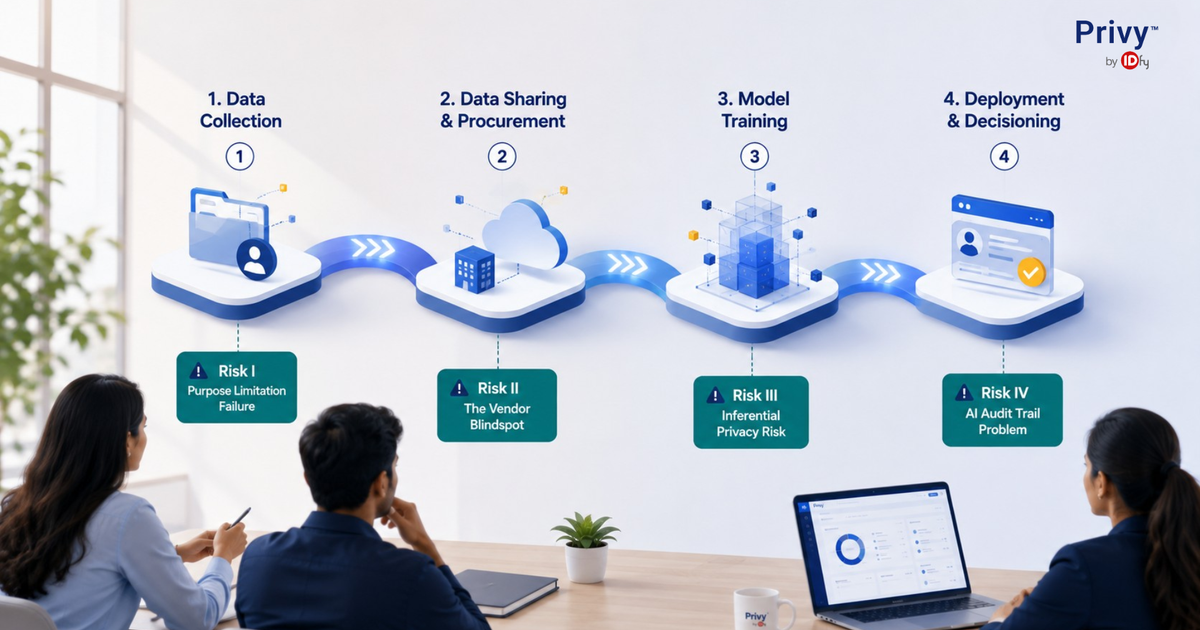
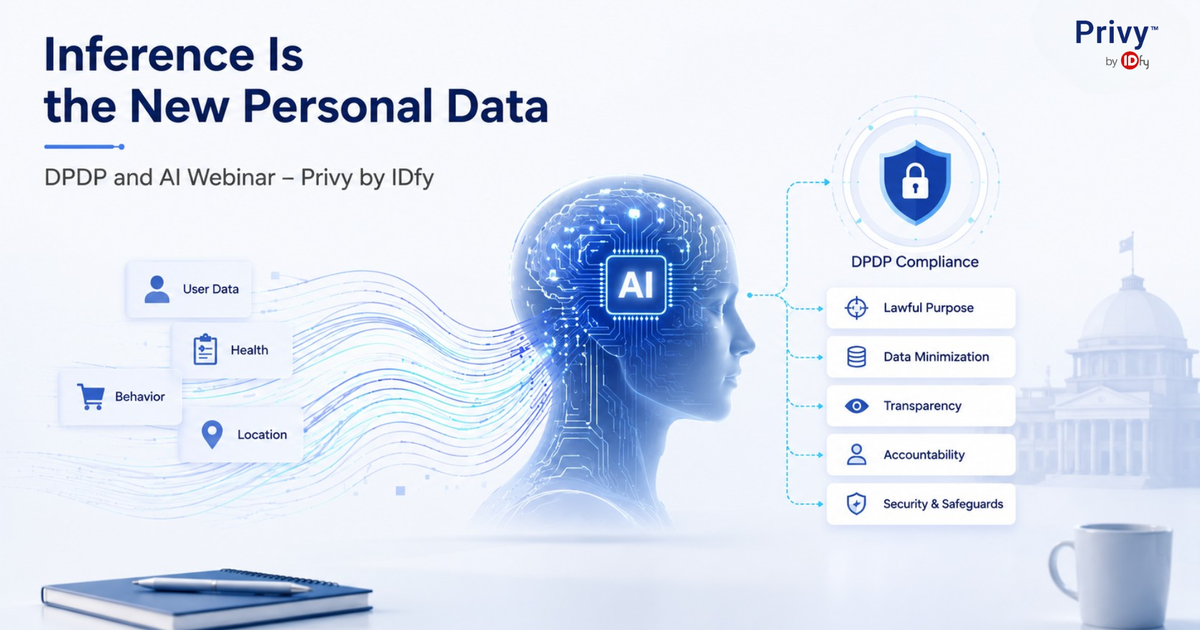
Data Privacy in the AI Era: The Four Risks Indian Corporations Have Already Inherited
Sep 10, 2026




 shivani@idfy.com
 Unit no. 801, Skyline Icon, 804, Andheri - Kurla Rd, Chimatpada, Marol, Andheri East, Mumbai, Maharashtra 400059
 1800 123 4339