

Data Breach
Definition
Unauthorized access, disclosure, loss, or exposure of personal or sensitive data that compromises its confidentiality, integrity, or security.
A data breach occurs when personal or sensitive information becomes accessible to unauthorized individuals, systems, or entities. This may result from cyberattacks, weak access controls, insider misuse, accidental exposure, or failures in data handling processes. Breaches are not limited to external hacks; they also include situations where data is shared, stored, or processed in ways that violate intended controls.
In modern enterprises, data breaches are no longer viewed only as security incidents. They are governance and accountability failures that expose gaps in how organizations manage access, monitor data movement, enforce controls, and respond to risk. Beyond financial and reputational impact, breaches challenge an organization’s ability to demonstrate continuous compliance, operational accountability, and responsible data handling practices.
Under the Digital Personal Data Protection Act, 2023, organizations are expected to implement reasonable safeguards to protect personal data from breaches and unauthorized processing. A data breach can trigger regulatory scrutiny, reporting obligations, and questions around whether adequate controls, monitoring mechanisms, and governance processes were in place.
From a compliance perspective, organizations must not only prevent breaches but also demonstrate how incidents are detected, investigated, contained, and documented. Regulators increasingly evaluate whether enterprises can provide traceable evidence of security controls, access governance, consent alignment, and breach response actions across systems.
In practice, gaps emerge when:
- Sensitive data exists across disconnected systems without centralized visibility
- Access rights remain excessive, outdated, or poorly monitored
- Breach detection relies heavily on manual monitoring and reactive workflows
- Organizations cannot trace what data was exposed, impacted, or accessed
- Incident records exist, but lack audit-ready evidence and contextual linkage
Organizations strengthen breach readiness by implementing continuous monitoring, access governance, data mapping, and incident response workflows that create visibility across the data lifecycle. This includes linking users, systems, permissions, processing purposes, and security controls into a connected governance framework that supports faster detection and verifiable response.
Enterprises also focus on improving traceability and evidence management so incidents can be reconstructed accurately without relying on fragmented records or manual investigation. Within Privy, this is supported through capabilities such as audit trails, consent lifecycle management, and data governance workflows that help organizations maintain continuous visibility and operational accountability.
Questions About Staying in Control?
Here’s everything you need to know about this term and how it fits into your compliance program.
Any unauthorized access, disclosure, alteration, loss, or exposure of personal data that compromises its security or intended use may qualify as a data breach.
Because breaches often expose failures in access control, monitoring, accountability, and data handling processes across the organization.
Most challenges arise when enterprises cannot trace affected data, identify impacted users, or reconstruct events across disconnected systems.
Fragmented systems, manual processes, inconsistent logs, and lack of centralized visibility often slow down detection, investigation, and reporting.
Privy supports continuous governance through audit trails, data mapping, and traceable workflows that improve visibility, accountability, and incident response readiness.
Still have a question?
Latest Blog
Sep 30, 2026
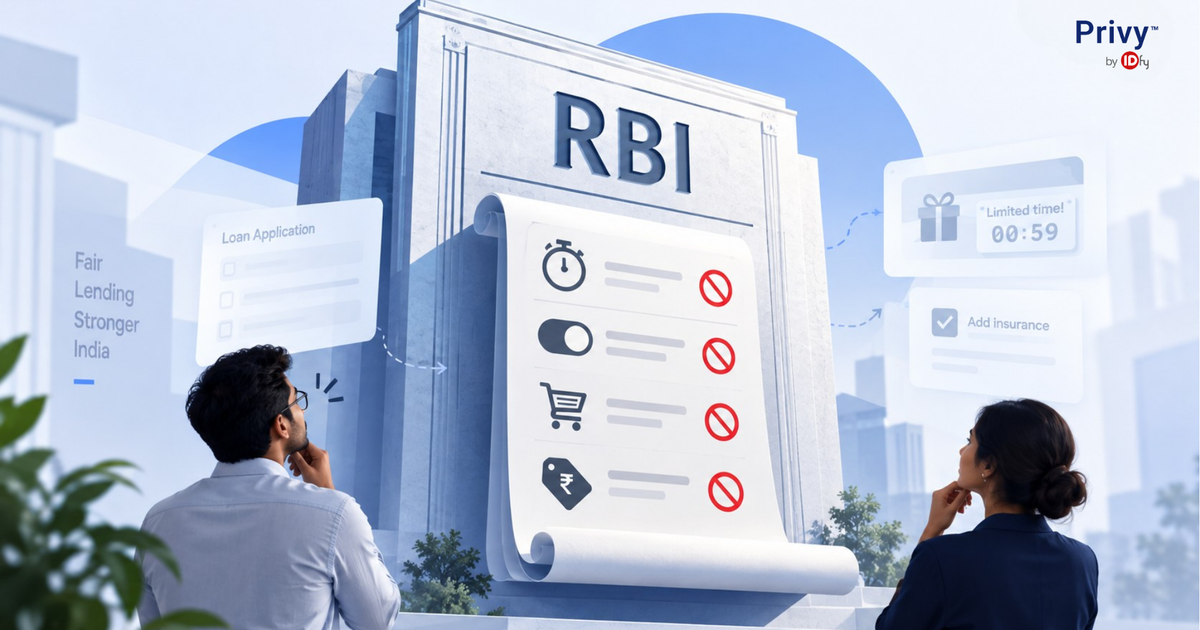
RBI NBFC Rules Just Banned Dark Patterns and Fake Consent
Sep 29, 2026
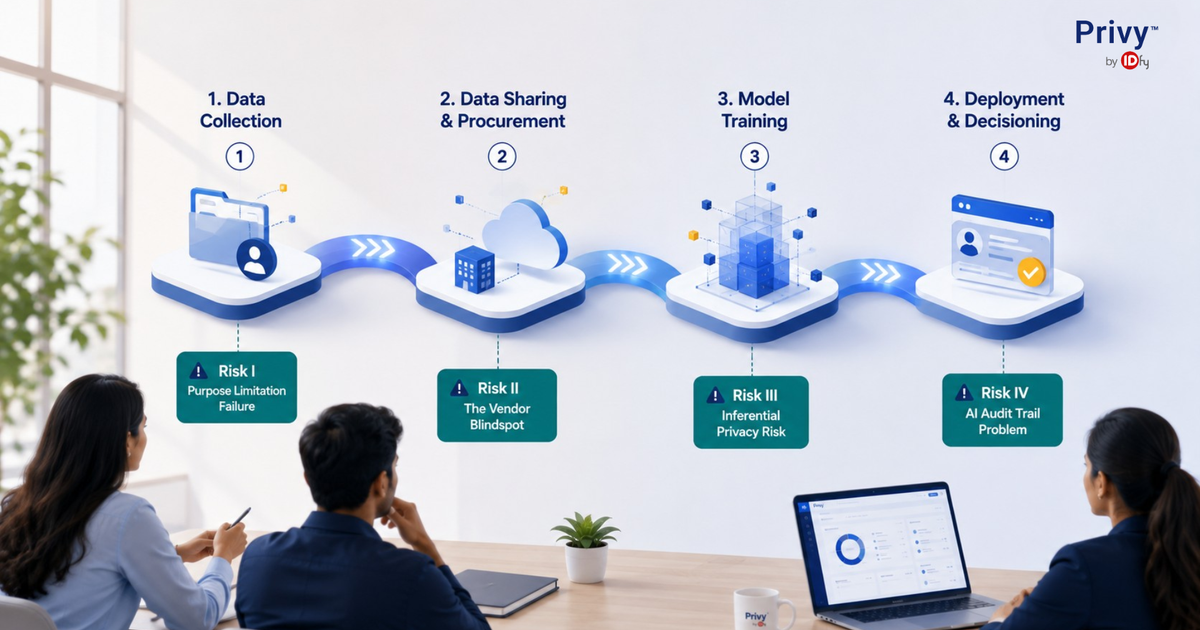
Data Privacy in the AI Era: The Four Risks Indian Corporations Have Already Inherited
Sep 10, 2026




 shivani@idfy.com
 Unit no. 801, Skyline Icon, 804, Andheri - Kurla Rd, Chimatpada, Marol, Andheri East, Mumbai, Maharashtra 400059
 1800 123 4339