

Data Processor
Definition
A Data Processor is a person or entity that processes personal data on behalf of a Data Fiduciary under the Digital Personal Data Protection Act, 2023.
Under the Digital Personal Data Protection Act, 2023, a Data Processor is any person who processes personal data on behalf of a Data Fiduciary. The processor acts only according to the instructions of the Data Fiduciary and performs processing activities such as collecting, storing, organizing, hosting, analyzing, transmitting, or deleting personal data as part of the services it provides. Cloud service providers, payroll vendors, customer support platforms, document management providers, and outsourced technology partners commonly operate as Data Processors when handling personal data for their clients.
Organizations frequently engage multiple Data Processors to support business operations, making effective vendor governance an essential part of privacy management. Data Fiduciaries remain responsible for ensuring that personal data is processed in accordance with the DPDP Act, even when processing activities are carried out by third-party processors. This requires organizations to assess vendors, establish appropriate contractual arrangements, monitor processing activities, and maintain visibility into how personal data is handled throughout the vendor ecosystem.
The DPDP Act expressly recognizes the role of the Data Processor and permits Data Fiduciaries to engage processors for processing personal data on their behalf. While operational processing may be delegated, accountability for complying with the Act continues to rest with the Data Fiduciary. As a result, organizations should implement appropriate governance measures for selecting, managing, and overseeing Data Processors.
In practice, gaps emerge when:
- Organizations engage vendors without understanding what personal data they process.
- Processor agreements do not clearly define processing responsibilities.
- Third-party processing activities are not regularly reviewed or monitored.
- Data transfers between the organization and processors are poorly documented.
- Vendor inventories become outdated as new service providers are onboarded.
Organizations strengthen Data Processor governance by maintaining accurate vendor inventories, documenting processing activities, assessing third-party risks, and monitoring processor relationships throughout the engagement lifecycle. Within Privy, capabilities such as data discovery, data mapping, vendor governance workflows, and audit reporting help organizations improve visibility into Data Processor activities while supporting compliance with the DPDP Act.
Questions About Staying in Control?
Here’s everything you need to know about this term and how it fits into your compliance program.
A Data Processor is a person or entity that processes personal data on behalf of a Data Fiduciary.
A Data Fiduciary determines the purpose and means of processing personal data, while a Data Processor processes personal data on behalf of the Data Fiduciary.
Yes. A cloud service provider may act as a Data Processor when it processes personal data on behalf of a Data Fiduciary.
Yes. Under the DPDP Act, the Data Fiduciary remains responsible for complying with its obligations even when processing is carried out through a Data Processor.
Privy helps organizations improve visibility into third-party processing through data discovery, data mapping, governance workflows, and reporting that support vendor oversight.
Still have a question?
Latest Blog
-1-1200x630.png)
Oct 19, 2026
DPDP Compliance Services: Same Law, Different Data in Every Industry
Sep 30, 2026
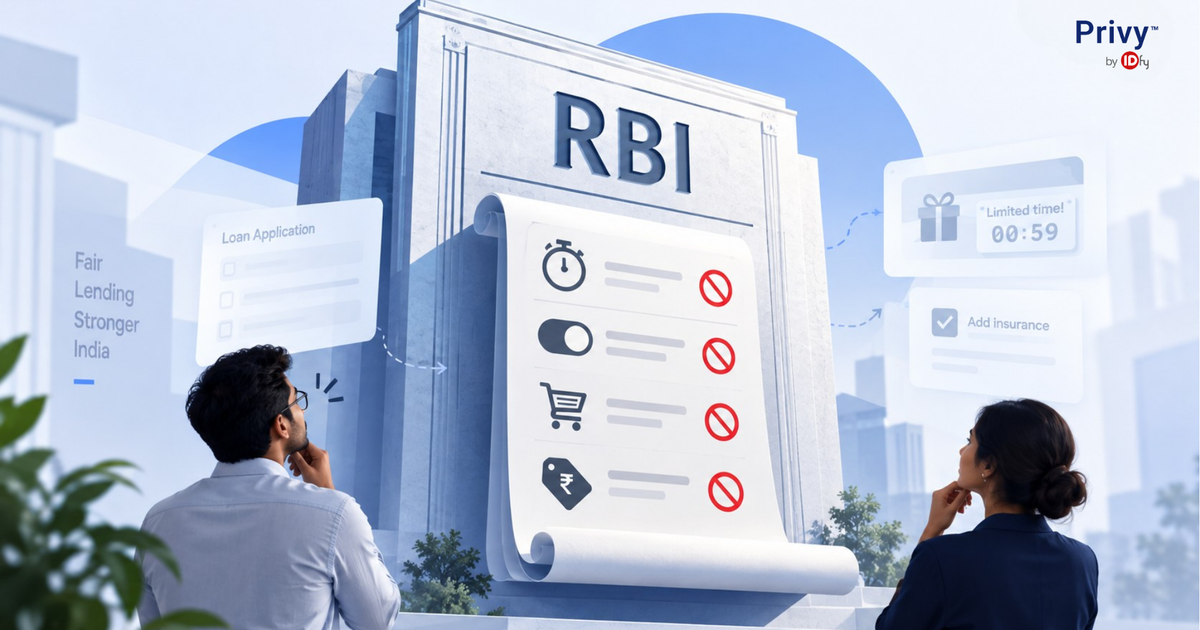
RBI NBFC Rules Just Banned Dark Patterns and Fake Consent
Sep 29, 2026




 shivani@idfy.com
 Unit no. 801, Skyline Icon, 804, Andheri - Kurla Rd, Chimatpada, Marol, Andheri East, Mumbai, Maharashtra 400059
 1800 123 4339