

DPDP Readiness Checklist
Definition
A DPDP readiness checklist helps organizations assess and implement the people, processes, and technical controls needed to comply with the Digital Personal Data Protection Act, 2023, and the DPDP Rules, 2025.
A DPDP readiness checklist is a structured framework used by organizations to evaluate whether they are prepared to meet the requirements of India's Digital Personal Data Protection Act, 2023 (DPDP Act) and the Digital Personal Data Protection Rules, 2025. Rather than being a legal requirement itself, a readiness checklist serves as a practical implementation tool that helps organizations identify compliance gaps, prioritize remediation activities, and monitor progress toward regulatory readiness.
An effective readiness assessment covers governance, legal, operational, and technical controls. Organizations typically review what personal data they collect, the purposes for processing, privacy notices, consent mechanisms, retention practices, security safeguards, vendor management, breach response, grievance redressal processes, and Data Principal request workflows. The assessment also evaluates whether appropriate documentation and audit evidence exist to demonstrate compliance during regulatory reviews.
Following the notification of the DPDP Rules, 2025, organizations should update their readiness assessments to align with the operational requirements introduced through the Rules. Depending on the organization's role, industry, scale of processing, and whether it is classified as a Significant Data Fiduciary, additional implementation measures may be required. A readiness checklist should therefore be treated as a living governance document that evolves alongside regulatory requirements and organizational changes.
In practice, gaps emerge when:
- Organizations cannot identify all locations where personal data is stored or processed.
- Privacy notices, consent mechanisms, and internal practices are inconsistent.
- Vendor governance processes do not adequately cover Data Processors.
- Data Principal request workflows are manual and difficult to monitor.
- Compliance evidence is scattered across multiple teams and systems.
Organizations improve readiness by conducting periodic assessments, maintaining accurate records of processing activities, implementing governance workflows, and continuously monitoring compliance controls. Within Privy, capabilities such as automated data discovery, data mapping, consent management, Data Principal request workflows, breach management, and audit-ready reporting help organizations operationalize DPDP compliance and continuously measure readiness against evolving regulatory requirements.
Questions About Staying in Control?
Here’s everything you need to know about this term and how it fits into your compliance program.
A DPDP readiness checklist is a structured assessment used to evaluate whether an organization has implemented the governance, privacy, and security controls needed to comply with the DPDP Act and the DPDP Rules.
Any organization that processes digital personal data in India can use a readiness checklist to identify compliance gaps and prioritize implementation activities.
Typical areas include data discovery, consent management, privacy notices, data retention, security safeguards, vendor management, breach response, grievance handling, and compliance documentation.
No. The DPDP Act does not mandate a specific checklist. It is a governance tool that helps organizations prepare for and maintain compliance.
Privy helps organizations assess and strengthen DPDP readiness through capabilities such as data discovery, consent management, data mapping, governance workflows, breach management, and audit reporting.
Still have a question?
Latest Blog
-1-1200x630.png)
Oct 19, 2026
DPDP Compliance Services: Same Law, Different Data in Every Industry
Sep 30, 2026
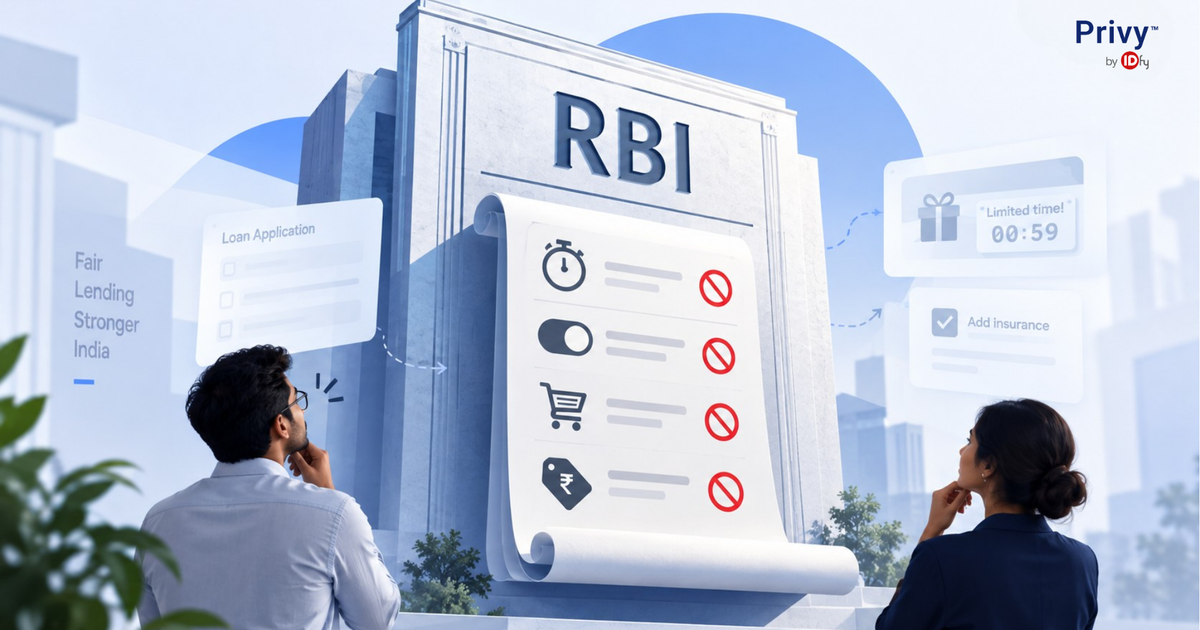
RBI NBFC Rules Just Banned Dark Patterns and Fake Consent
Sep 29, 2026




 shivani@idfy.com
 Unit no. 801, Skyline Icon, 804, Andheri - Kurla Rd, Chimatpada, Marol, Andheri East, Mumbai, Maharashtra 400059
 1800 123 4339