

Sensitive Information
Definition
Sensitive information refers to data that requires higher levels of protection due to the potential impact on individuals if it is misused, exposed, or processed improperly.
In the context of the DPDP Act, sensitive information is commonly used to describe categories of personal data that may require additional care because unauthorized access, disclosure, or misuse could create greater risks for Data Principals.
The DPDP Act does not create a separate category called “sensitive personal data” like some earlier privacy frameworks. Instead, it applies obligations to personal data based on factors such as the nature of processing, risks involved, and applicable requirements.
Organizations processing sensitive information should implement appropriate safeguards, maintain visibility into where such data exists, limit access, and ensure that processing activities align with DPDP obligations. Identifying sensitive information helps Data Fiduciaries prioritize security, privacy controls, and risk management practices.
In practice, gaps emerge when:
- Organizations cannot identify sensitive categories of personal data.
- Access controls are not aligned with data sensitivity.
- Sensitive information is shared without appropriate safeguards.
- Data classification practices are inconsistent.
- High-risk processing activities are not assessed.
Organizations address these challenges by implementing data classification, access controls, encryption, data discovery, and privacy governance practices. Within Privy, capabilities such as data discovery, data classification, data mapping, and risk workflows help organizations identify and manage personal data effectively.
Questions About Staying in Control?
Here’s everything you need to know about this term and how it fits into your compliance program.
The DPDP Act does not define a separate category called sensitive information or sensitive personal data. It focuses on protecting personal data based on processing requirements and associated risks.
Information that could create higher risks for individuals if exposed may require enhanced safeguards based on organizational risk assessment.
It helps organizations apply appropriate security controls and prioritize privacy protections.
Organizations use measures such as access controls, encryption, data classification, monitoring, and privacy governance processes.
Privy helps organizations discover, classify, and map personal data to improve visibility and strengthen privacy controls.
Still have a question?
Latest Blog

Sep 30, 2026
RBI NBFC Rules Just Banned Dark Patterns and Fake Consent
Sep 29, 2026
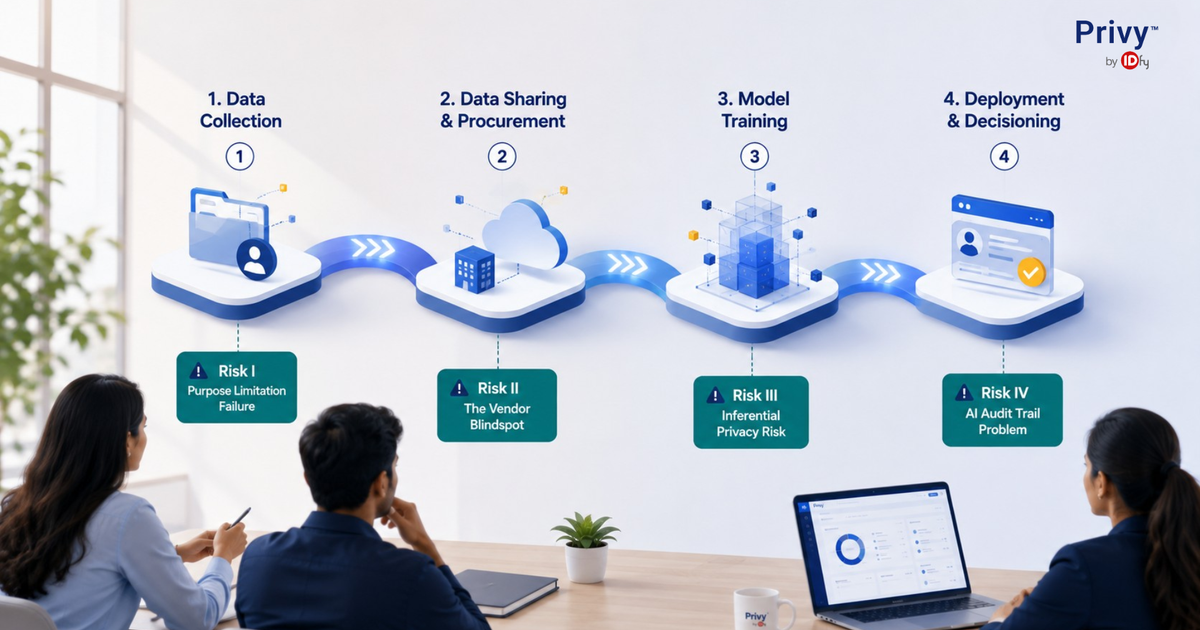
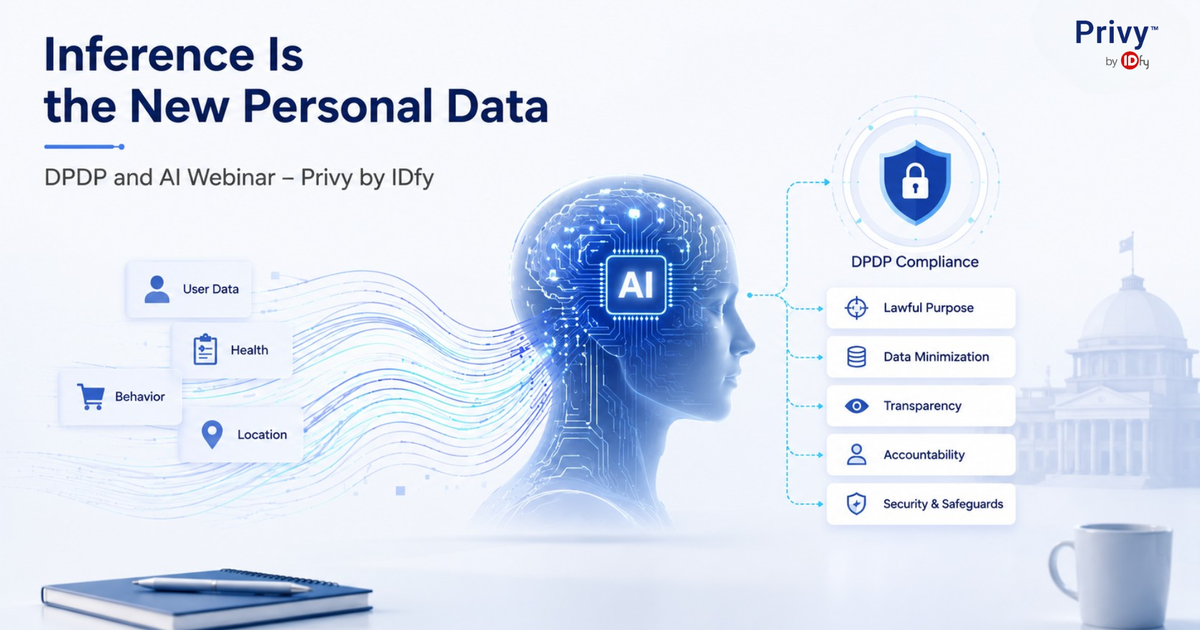
Data Privacy in the AI Era: The Four Risks Indian Corporations Have Already Inherited
Sep 10, 2026




 shivani@idfy.com
 Unit no. 801, Skyline Icon, 804, Andheri - Kurla Rd, Chimatpada, Marol, Andheri East, Mumbai, Maharashtra 400059
 1800 123 4339