
User Consent Lifecycle
Definition
User Consent Lifecycle refers to the complete journey of managing consent, from collection and recording to updates, withdrawal, and compliance tracking under the DPDP Act.
Under the DPDP Act, the User Consent Lifecycle refers to the processes involved in managing consent throughout its existence. It includes obtaining consent from a Data Principal, recording consent details, allowing modifications or withdrawal, and maintaining evidence of consent-related activities.
The DPDP Act requires consent to be free, specific, informed, and unambiguous, with a clear affirmative action by the Data Principal. Organizations must provide mechanisms that allow Data Principals to withdraw consent easily, with the withdrawal process being as simple as providing consent.
A well-managed consent lifecycle helps Data Fiduciaries maintain transparency, respect Data Principal choices, and demonstrate accountability. It enables organizations to understand when consent was provided, what purpose it covered, what preferences were selected, and whether consent has been updated or withdrawn.
In practice, gaps emerge when:
- Organizations collect consent without maintaining proper records.
- Consent preferences are not synchronized across systems.
- Withdrawal requests are difficult to process.
- Teams cannot prove when or how consent was obtained.
- Old consent records are not updated after changes in processing purposes.
Organizations address these challenges by implementing consent management platforms, maintaining consent logs, automating preference updates, managing notices, and tracking consent changes throughout the lifecycle. Within Privy, capabilities such as consent lifecycle management, preference management, workflow automation, and compliance reporting help organizations manage consent effectively.
Questions About Staying in Control?
Here’s everything you need to know about this term and how it fits into your compliance program.
The user consent lifecycle is the complete process of managing consent, including collection, recording, modification, withdrawal, and tracking.
Key stages include consent request, consent collection, consent recording, consent management, consent withdrawal, and maintaining consent evidence.
It helps organizations respect Data Principal choices, maintain transparency, and demonstrate compliance with DPDP obligations.
Common challenges include fragmented consent records, inconsistent preferences, difficult withdrawal processes, and lack of audit visibility.
Privy helps organizations manage consent collection, preferences, withdrawals, records, and compliance workflows through centralized consent management.
Still have a question?
Latest Blog
Sep 30, 2026
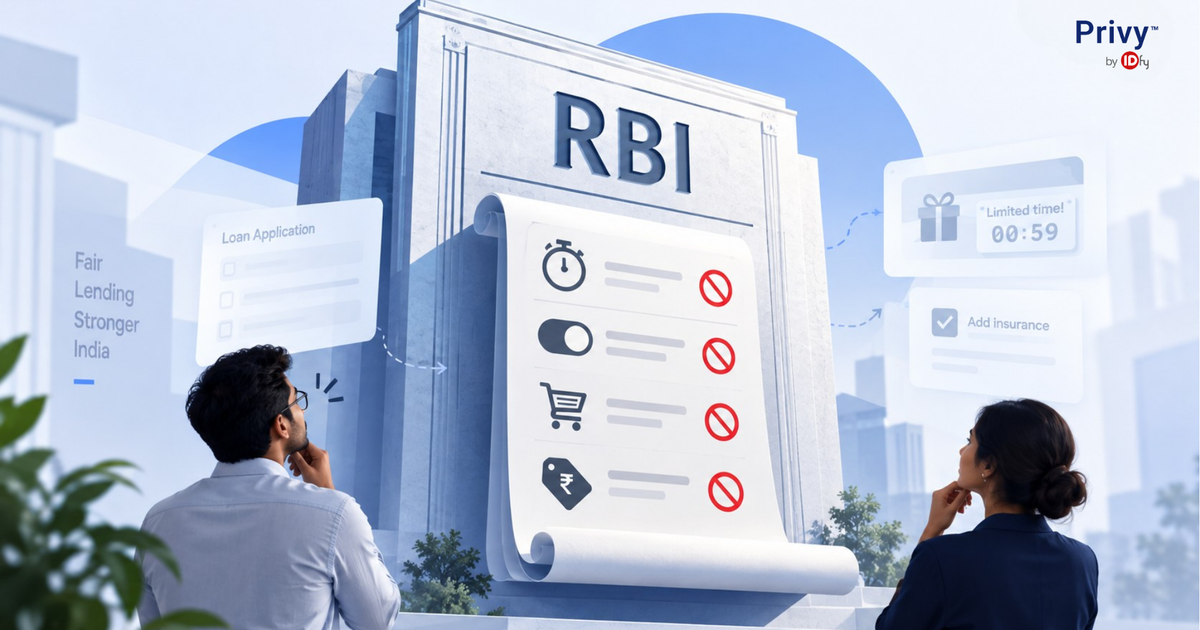
RBI NBFC Rules Just Banned Dark Patterns and Fake Consent
Sep 29, 2026
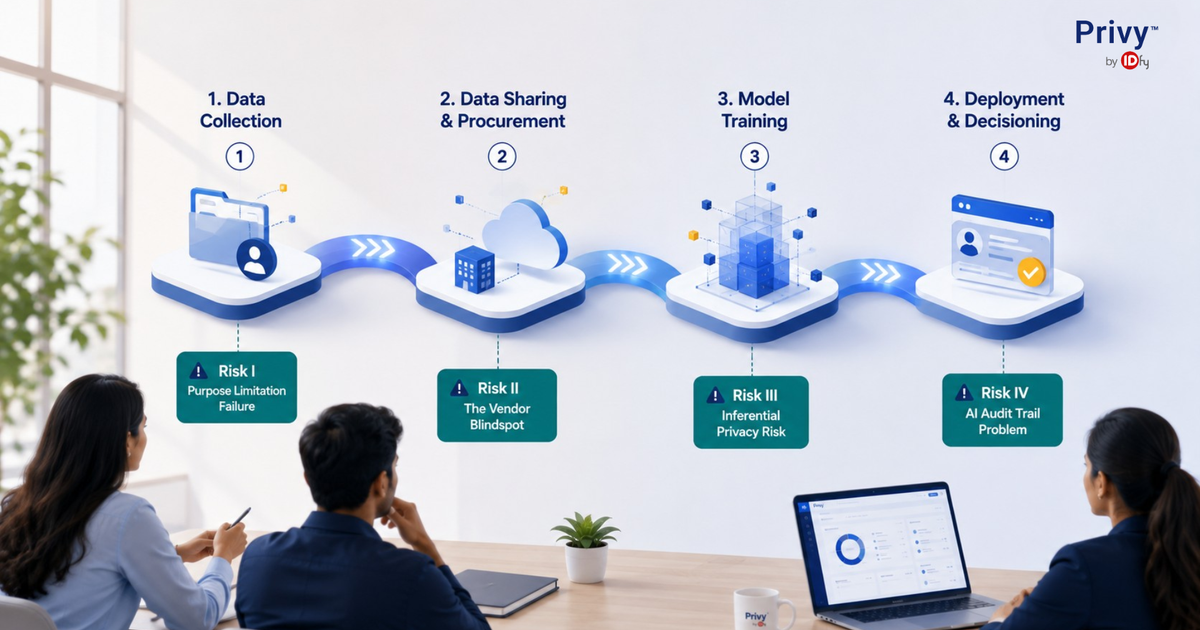
Data Privacy in the AI Era: The Four Risks Indian Corporations Have Already Inherited
Sep 10, 2026




 shivani@idfy.com
 Unit no. 801, Skyline Icon, 804, Andheri - Kurla Rd, Chimatpada, Marol, Andheri East, Mumbai, Maharashtra 400059
 1800 123 4339